What Tint Percent Is Best for Night Driving in Florida? A Sarasota Driver's Guide
For drivers who frequently travel at night, a lighter window tint with approximately 50% visible light transmission (VLT) or higher is generally a better choice than dark 20% or 5% tint. Lighter films preserve more available light, making it easier to see pedestrians, road markings, curbs, and other hazards after sunset. However, the final tint percentage must also comply with Florida law.
In Sarasota, Bradenton, Lakewood Ranch, and surrounding Southwest Florida communities, drivers face a combination of bright sunshine, heavy evening traffic, sudden rainstorms, and roads with varying levels of street lighting.
While darker window tint can provide daytime privacy and glare reduction, it can also make nighttime driving more challenging.
At Classy Customs, we help Florida drivers choose professional automotive window films that balance heat rejection, UV protection, privacy, and visibility. Our premium LLumar and FormulaOne options allow customers to prioritize solar protection without automatically selecting the darkest available shade.
Whether you're tinting a new vehicle or replacing an older installation, here's how to choose the best window tint percentage for safe, comfortable nighttime driving.
What Is the Best Window Tint Percentage for Driving at Night?
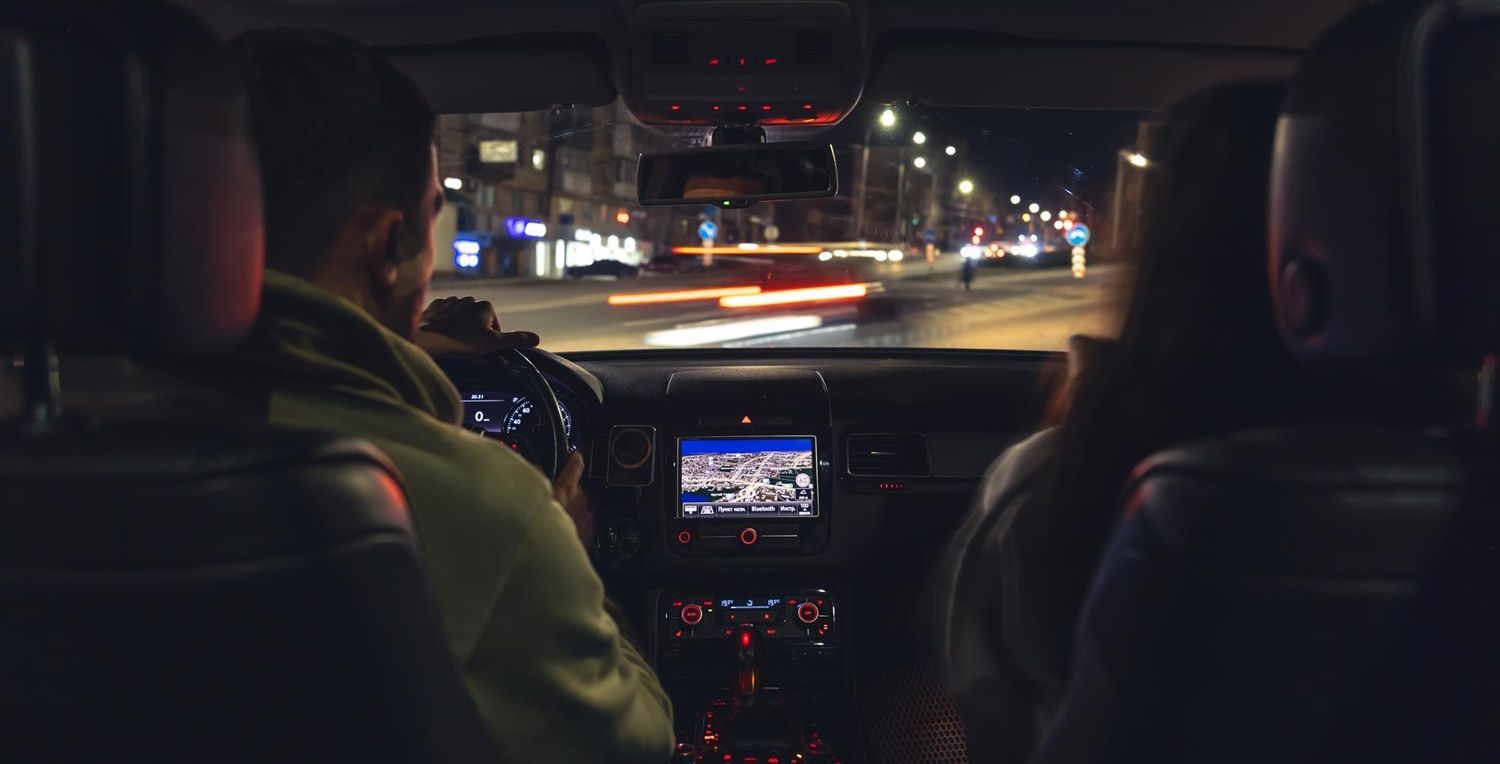
For frequent nighttime driving, maintaining a relatively high VLT is usually preferable.
A film with 50% VLT transmits substantially more visible light than a 20% film, helping preserve outward visibility in low-light conditions.
However, there isn't one universal percentage that's ideal for every driver.
Your age, vision, vehicle design, existing glass, driving environment, and window location all affect how comfortable a particular shade feels.
Window Tint Percentages Compared for Night Driving
| Tint percentage | Appearance | Nighttime visibility |
|---|---|---|
| 70% VLT | Nearly clear | Preserves most visible light |
| 50% VLT | Light | Generally good compared with darker films |
| 35% VLT | Medium | Noticeable reduction in available light |
| 28% VLT | Moderately dark | Greater difficulty in poorly lit areas |
| 20% VLT | Dark | Significantly reduced low-light visibility |
| 15% VLT | Very dark | Greater difficulty seeing through windows |
| 5% VLT | Extremely dark | Severe visibility limitations in darkness |
These percentages describe light transmission, not guaranteed visibility performance.
Why Higher VLT Is Better After Sunset
Night driving requires your eyes to detect objects under limited illumination.
Streetlights, headlights, and reflected light provide some visibility, but darker window films reduce the light reaching your eyes.
This can make it harder to identify a pedestrian crossing an unlit street or a cyclist approaching from the side.
A lighter film preserves more visual information while still allowing some daytime glare reduction.
Is 35% Tint Good for Night Driving?
A 35% tint can provide a balanced daytime appearance, but it noticeably reduces visible light.
Drivers who primarily travel through well-lit urban streets may find it manageable, while those frequently driving through dark neighborhoods may prefer a lighter option.
For drivers who prioritize nighttime visibility over privacy, 50% or lighter tint is generally worth considering.
Is 20% Tint Too Dark for Night Driving in Florida?
For many drivers, 20% tint is too dark for comfortable nighttime visibility, particularly on front side windows.
A 20% VLT result allows only one-fifth of visible light through the glass.
This can make it harder to see when turning, reversing, checking intersections, or navigating poorly illuminated parking lots.
Problems With Dark Tint at Night
Darker window film can create several practical challenges:
- Reduced visibility of pedestrians and cyclists.
- Difficulty seeing curbs and parking obstacles.
- Less detail visible through side mirrors and windows.
- Greater dependence on streetlights and vehicle lighting.
- Reduced visibility during nighttime rainstorms.
These limitations become particularly important during Florida's summer storm season.
Is 20% Tint Legal on Front Windows in Florida?
No. Florida generally requires front side windows to transmit at least 28% of visible light, subject to statutory measurement tolerances and exemptions.
A 20% VLT result falls below the ordinary legal minimum.
Rear-window requirements differ depending on whether the vehicle is classified as a passenger car or multipurpose passenger vehicle.
Car Tinting Laws+1
What Are Florida's Legal Window Tint Percentages in 2026?
Florida window tint regulations establish different requirements for front side windows, rear windows, and windshields.
The state's rules also distinguish between passenger cars and qualifying multipurpose passenger vehicles, including many SUVs and vans.
Florida Legal Tint Chart for 2026
| Window location | Sedans | Qualifying SUVs and vans |
|---|---|---|
| Front windshield | Permitted upper AS-1 shade band only | Same |
| Front side windows | At least 28% VLT | At least 28% VLT |
| Rear side windows | At least 15% VLT | At least 6% VLT |
| Rear windshield | At least 15% VLT | At least 6% VLT |
Florida also regulates window reflectivity. The applicable maximum is generally 25% visible reflectance for front side windows and 35% for rear windows.
Statutory tolerances and authorized exemptions may apply.
The Florida Senate+2
Why the Installed Tint Percentage Matters
The percentage printed on a roll of window film isn't necessarily the final VLT of the completed window.
Factory automotive glass already blocks some visible light.
For example, installing a 50% film over glass with 80% VLT produces an approximate combined transmission of:
80% × 50% = 40% VLT.
The final glass-and-film combination must satisfy the applicable legal limit.
At Classy Customs, we recommend evaluating existing glass and selecting film with an appropriate margin for compliance.
Does Legal Tint Always Mean Good Nighttime Visibility?
Not necessarily.
A 28% front side-window result may satisfy Florida's ordinary legal threshold, but it still reduces available light considerably compared with a lighter film.
Similarly, a very dark rear tint may be legal on a qualifying SUV but make reversing or parking at night more difficult.
The safest practical choice should account for both the law and your driving conditions.
Is Ceramic Window Tint Better for Night Driving?
Ceramic window tint is an excellent option for Florida drivers who want strong daytime heat protection without choosing extremely dark film.
Premium ceramic products use non-metallic materials to reduce solar energy while maintaining optical clarity.
However, ceramic technology doesn't eliminate the visibility limitations associated with low VLT.
Why Ceramic Tint Works Well in Florida
Sarasota drivers experience intense sunlight and high temperatures for much of the year.
High-performance ceramic films can reject substantial solar heat while maintaining a lighter appearance.
This makes it possible to prioritize daytime comfort and nighttime visibility simultaneously.
For example, a lighter premium ceramic film may offer better solar heat rejection than a darker basic dyed film.
LLumar and FormulaOne Window Films
Classy Customs offers premium LLumar and FormulaOne automotive window film options for customers seeking heat rejection, UV protection, and lasting performance.
These products include advanced ceramic technologies designed to manage solar heat without requiring excessively dark glass.
Qualifying films also offer manufacturer-backed limited warranty coverage.
The right choice depends on the film's performance specifications, your existing glass, and the final shade.
Ceramic vs. Carbon vs. Dyed Tint for Night Driving
| Film type | Heat rejection potential | Nighttime visibility | Main benefit |
|---|---|---|---|
| Nano-ceramic | High to very high | Depends on VLT | Premium solar protection |
| Ceramic | High | Depends on VLT | Heat control and optical quality |
| Carbon | Moderate to high | Depends on VLT | Balanced performance |
| Dyed | Generally lower | Depends on VLT | Budget-friendly appearance |
At comparable VLT levels, no film technology should automatically be considered safer for night driving.
Optical clarity, installation quality, and the amount of visible light transmitted remain essential considerations.
Classy Customs emphasizes premium automotive window films and professional installation as part of its Sarasota vehicle protection services.
Does Window Tint Reduce Headlight Glare at Night?
Window tint can reduce the apparent brightness of headlights viewed through treated glass, but it isn't a guaranteed solution for nighttime glare.
The important distinction is between reducing brightness and improving visibility.
Why LED Headlights Can Be Uncomfortable
Modern LED headlights can appear especially intense because of their brightness, beam patterns, and contrast against dark surroundings.
When headlights are improperly aimed or positioned directly in a driver's field of view, they may cause temporary discomfort or reduced visual clarity.
Darker window tint may reduce some of that brightness, but it also makes other objects harder to see.
Can Ceramic Tint Eliminate Headlight Glare?
No. Ceramic tint doesn't selectively block uncomfortable headlights while allowing all other visible light to pass through.
Its primary advantages include solar heat rejection, UV protection, and the ability to deliver those benefits at lighter shades.
For drivers concerned about nighttime glare, choosing a high-quality, lighter film is generally preferable to installing darker tint specifically to reduce headlights.
Why Florida's Rainy Weather Makes Tint Percentage Important
Nighttime visibility becomes even more important during Florida's frequent rainstorms.
Wet pavement reflects headlights and streetlights, while heavy rainfall reduces contrast and makes road markings harder to distinguish.
Driving Through Sarasota After Dark
Drivers traveling along University Parkway, Fruitville Road, Tamiami Trail, or I-75 may encounter changing lighting conditions.
A well-lit intersection can quickly transition into a darker residential street or highway section.
Window tint that feels comfortable during daylight may become noticeably restrictive in these environments.
How Dark Tint Affects Visibility in Rain
Rain reduces the amount of visual information available to drivers.
Dark window film further limits transmitted light, potentially making it more difficult to identify nearby vehicles, pedestrians, and road edges.
For drivers who regularly travel during evening storms, preserving visibility should take priority over achieving the darkest possible appearance.
How to Reduce Nighttime Glare Without Darker Tint
If headlight glare is your primary concern, several practical adjustments may help without reducing outward visibility.
Keep Your Windshield Clean
Fingerprints, oily residue, dust, and road film can scatter incoming light.
This scattering may create halos or streaks around headlights.
Regularly clean both the interior and exterior windshield surfaces using an appropriate automotive glass cleaner and microfiber cloth.
Maintain Your Headlights
Cloudy or oxidized headlight lenses can reduce your vehicle's illumination.
Restoring lens clarity may improve your ability to identify road hazards after dark.
Classy Customs offers automotive detailing and related vehicle appearance services that can complement regular glass and lighting maintenance.
Adjust Your Mirrors
Use your rearview mirror's nighttime setting when available.
Properly positioned side mirrors can also reduce the intensity of headlights reflected from vehicles behind you.
Address Persistent Visual Discomfort
If headlights consistently appear surrounded by halos, starbursts, or excessive glare, consider having your vision evaluated.
Window tint shouldn't be used as a substitute for addressing underlying visibility problems.
How to Choose the Right Window Tint at Classy Customs
Selecting the right tint involves balancing daytime comfort, nighttime visibility, appearance, and legal requirements.
Step 1: Consider Your Driving Schedule
Drivers who frequently commute after sunset should prioritize lighter films on front side windows.
Those who primarily drive during daylight may place greater emphasis on glare reduction and privacy, while still maintaining safe visibility.
Step 2: Choose Heat Rejection Instead of Darkness
Premium ceramic window films can provide strong solar protection without requiring a very dark shade.
Compare Total Solar Energy Rejected (TSER), infrared rejection, and UV protection when evaluating different films.
Step 3: Check Your Factory Glass
Existing automotive glass affects the final VLT.
A professional measurement helps determine which film shades can produce a compliant finished window.
Step 4: Evaluate the Film's Optical Quality
High-quality automotive films should maintain a clear, consistent view through the glass.
Poor-quality film, scratches, contamination, or installation defects can introduce haze and distortion.
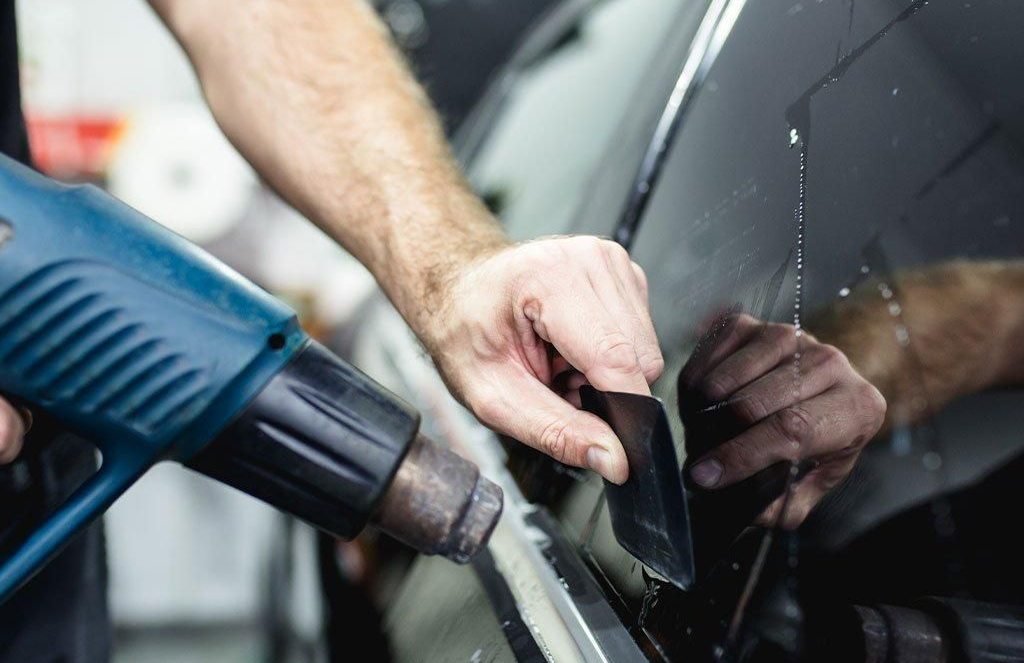
Step 5: Choose Professional Installation
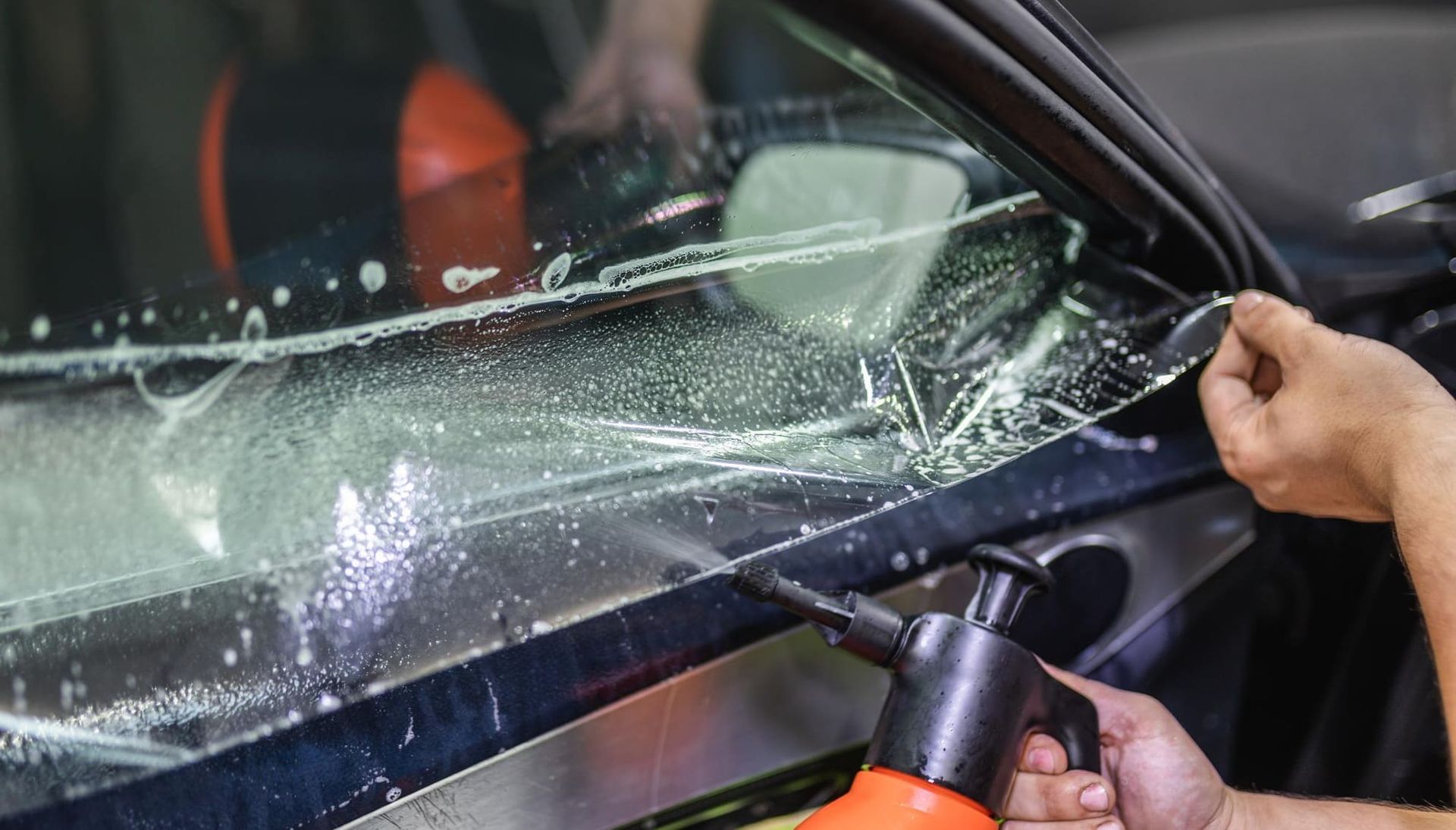
Proper installation helps minimize bubbles, peeling, uneven edges, and other problems that can affect appearance and visibility.
At Classy Customs, our Sarasota team provides professional automotive window tinting alongside paint protection film, ceramic coating, detailing, and other vehicle customization services.
Frequently Asked Questions About Window Tint for Night Driving
What is the best tint percentage for night driving in Florida?
For drivers prioritizing nighttime visibility, a lighter film around 50% VLT or higher is generally preferable to darker options. The final percentage should account for existing glass and Florida's legal requirements.
Is 35% tint too dark for night driving?
A 35% VLT result may be manageable for some drivers, but it reduces visible light significantly. Drivers who frequently travel on poorly illuminated roads may find a lighter shade more comfortable.
Can you see through 20% tint at night?
You can see through 20% tint under some lighting conditions, but visibility is considerably reduced compared with lighter glass. It can make parking, reversing, and identifying pedestrians more difficult.
Is 50% ceramic tint good for Florida?
Yes. A quality 50% ceramic film can provide meaningful solar heat rejection while maintaining relatively good outward visibility. Actual performance depends on the selected product and the final glass-and-film combination.
Does darker tint reduce headlight glare?
Darker tint reduces the brightness of light passing through the glass, including headlights. However, it also reduces useful light, so it doesn't necessarily improve nighttime driving safety.
Is 5% tint safe for driving at night?
Extremely dark 5% tint substantially restricts visibility in low-light conditions. It isn't recommended for windows essential to nighttime driving and is not legal for ordinary front side-window applications in Florida.
Can ceramic tint improve night vision?
No. Ceramic tint doesn't enhance natural night vision. Its main benefit is providing solar heat rejection at lighter shades, allowing drivers to maintain more visibility than they would with a darker film.
Where can I get professional window tinting in Sarasota, FL?
Classy Customs offers professional automotive window tinting in Sarasota, serving drivers from Bradenton, Lakewood Ranch, Palmetto, and surrounding communities.
Get Professional Window Tinting in Sarasota, FL
Choosing the best tint percentage for night driving means finding the right balance between protection and visibility.
While darker window films can improve daytime privacy and reduce glare, they may also make driving after sunset more difficult.
For Florida drivers who want heat protection without unnecessarily sacrificing nighttime clarity, lighter ceramic window tint is often an excellent option.
At Classy Customs, we help customers compare premium LLumar and FormulaOne window films based on their vehicles, driving habits, and preferences.
Whether you're commuting through Sarasota, traveling between Bradenton and Lakewood Ranch, or navigating Florida roads after dark, our team can help you explore suitable film options.
Call (941) 751-7575 or visit Classy Customs to request your free automotive window tint quote.
Visit us at 6935 15th St E Unit 108, Sarasota, FL 34243, United States.
Our published business hours are Tuesday through Saturday, 9 AM to 6 PM. We're closed Sunday and Monday.
classycustoms.com
Choose professional window tinting that keeps your vehicle comfortable during Florida's sunny days while preserving the visibility you need at night.