Florida Tint Laws (2026): What’s Legal for Cars & SUVs?
Florida tint laws are one of the most frequently searched automotive topics because window tint sits at the intersection of comfort, style, safety, and legality. In a hot, high UV climate like Sarasota and Florida’s Gulf Coast, drivers want cooler cabins, reduced glare, and interior protection, but they also want to avoid getting pulled over. Installing illegal tint can lead to citations, failed inspections where applicable, or even being required to remove and replace film you already paid for. The key to staying compliant is understanding Visible Light Transmission (VLT) limits and the placement rules that apply to each window. VLT is the percentage of visible light that passes through your glass and tint combined, and Florida sets specific minimums depending on whether you drive a sedan, SUV, or van. When you know the legal tint percentage Florida allows, you can choose a shade that still improves comfort while keeping your vehicle street legal.
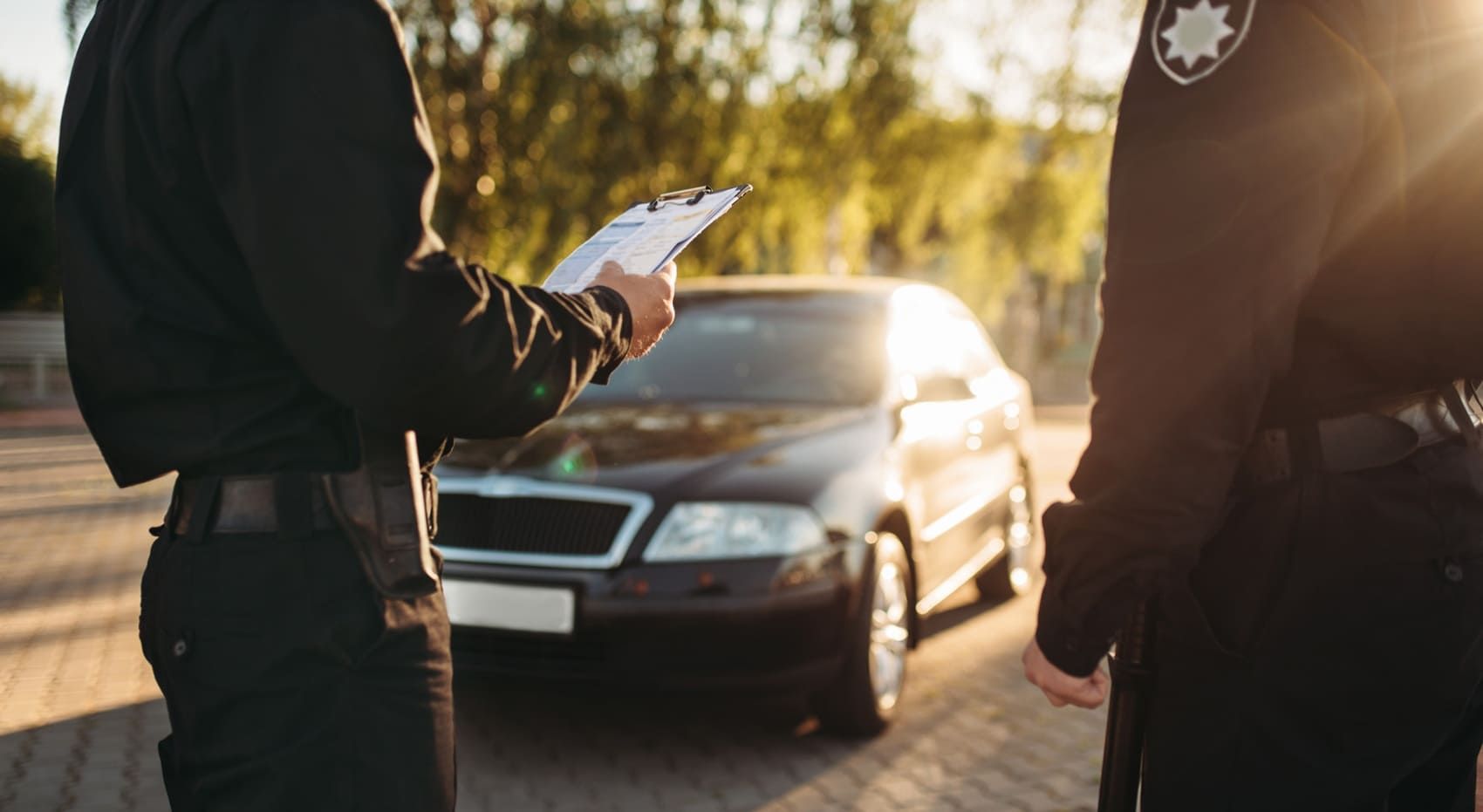
Table of Contents
- How VLT Is Measured and Why It Matters
- Florida Legal Tint Limits for Sedans, SUVs, and Vans
- Windshield Tint Rules and the AS-1 Line
- Rear Window and Back Glass Rules
- Medical Exemptions and Required Documentation
- Penalties, Stops, and Real World Enforcement
- Compliant Heat Rejection with Ceramic Tint
- FAQ: Florida Tint Laws 2026
- Conclusion and Free Estimate in Sarasota
How VLT Is Measured and Why It Matters
Visible Light Transmission (VLT) is the percentage of visible light that passes through a window. A higher VLT means a lighter tint. A lower VLT means a darker tint.
Florida tint laws 2026 are primarily enforced using a tint meter that measures how much light gets through the
glass plus film together , not just the film rating printed on a box.
That distinction matters because factory glass already blocks some light. For example, many vehicles have slightly tinted or privacy glass from the manufacturer, especially on SUVs and vans. If you add film on top of that, the final VLT can drop below the legal window tint Florida allows, even if the film itself seems “legal” on paper.
How VLT is checked in practice often looks like this:
- An officer or inspector places a meter on the window and takes a reading.
- The reading reflects the combined VLT of the glass and the film.
- If the result is darker than the legal minimum for that window type and vehicle type, you can be cited.
Helpful rule of thumb: if you want to stay compliant, choose a target that gives you some buffer for meter variation, glass differences, and installation tolerances. A professional shop can help you pick a compliant shade that still reduces heat and glare.
Florida Legal Tint Limits for Sedans, SUVs, and Vans
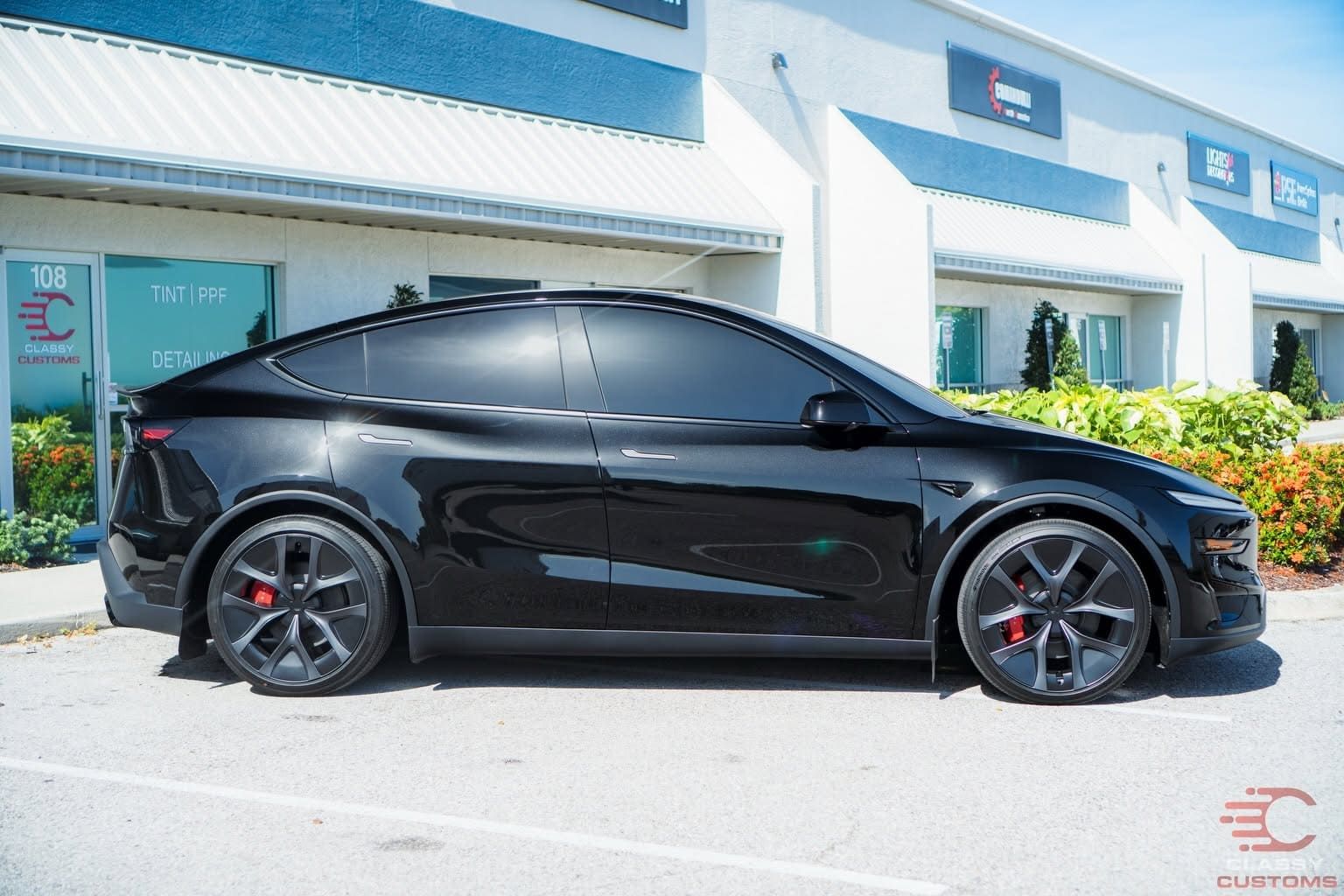
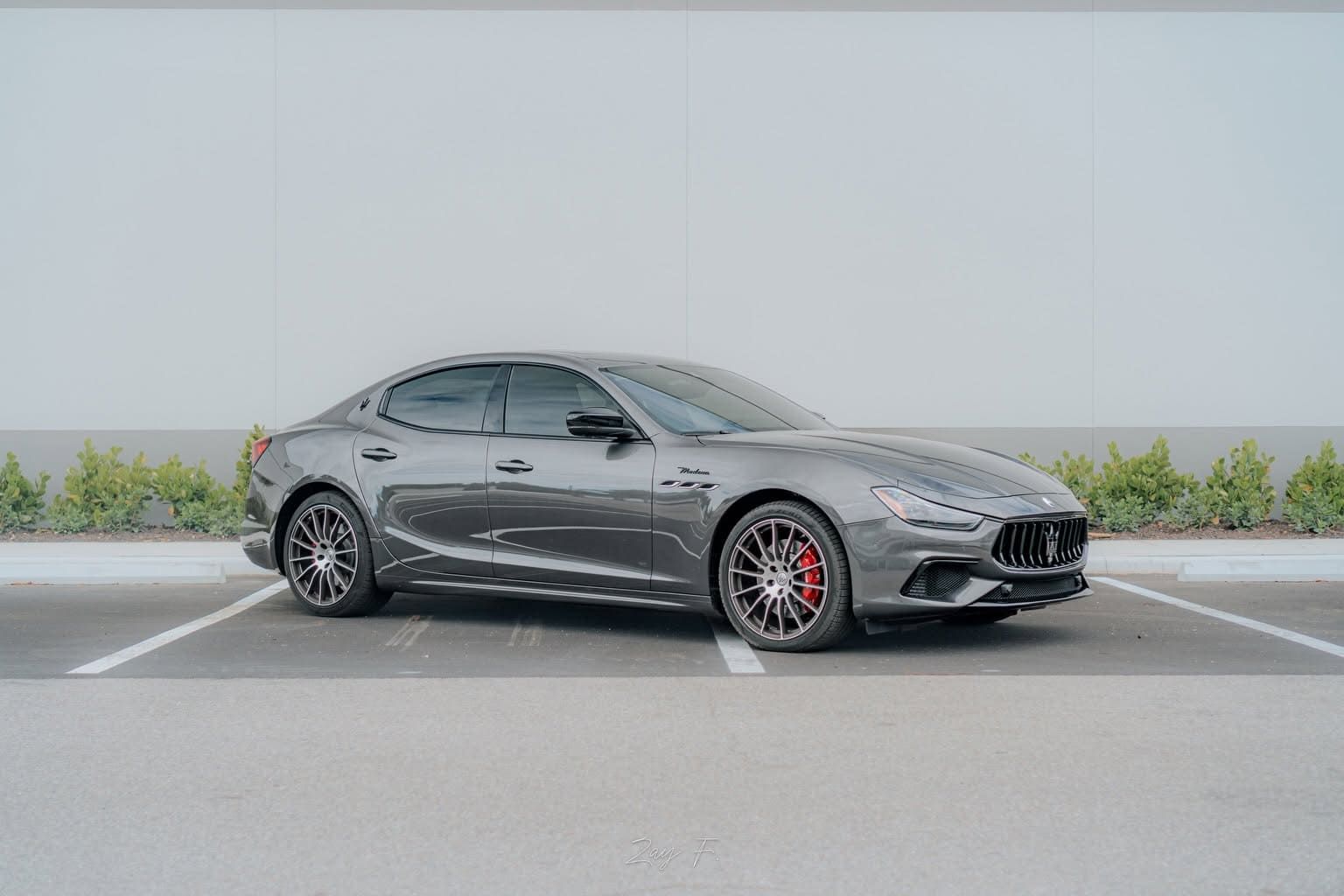
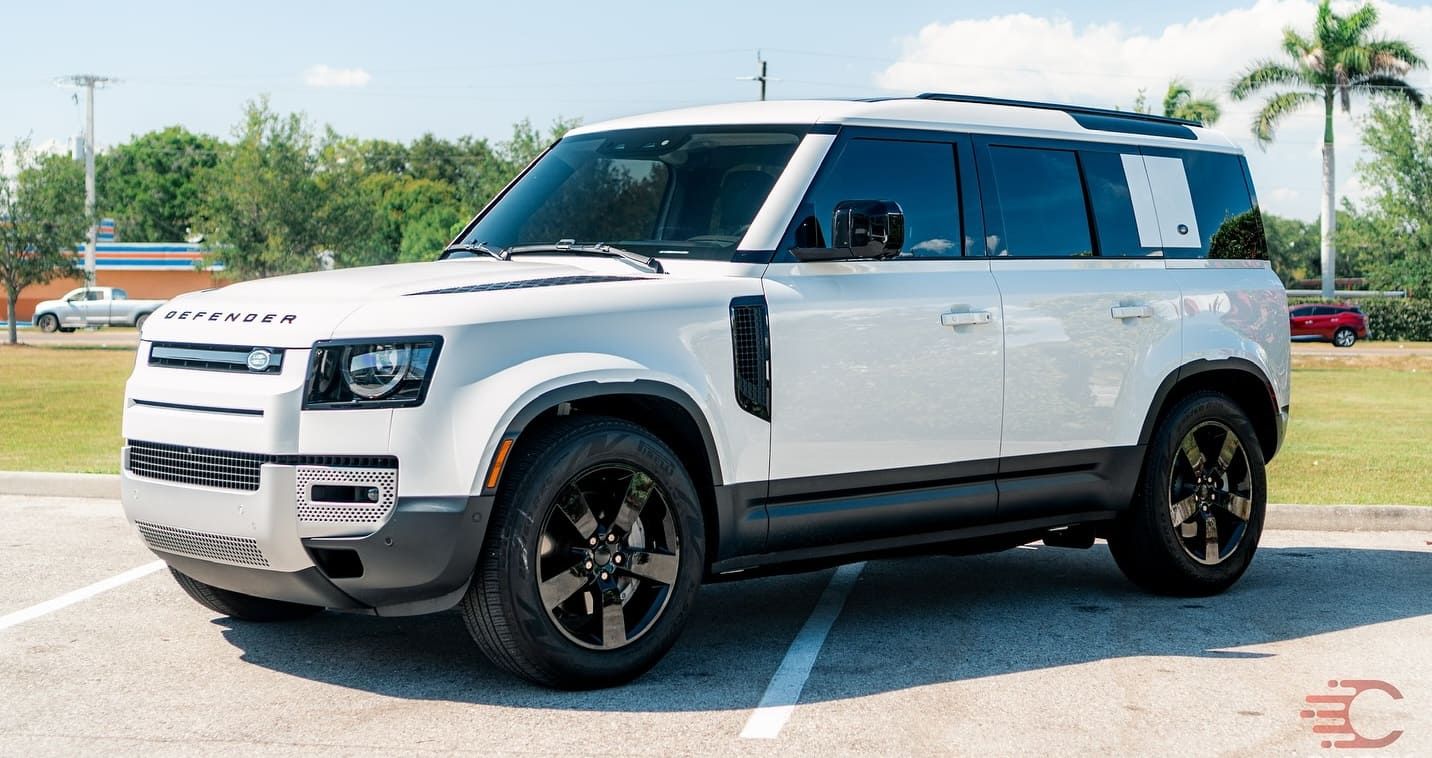
Florida laws distinguish between passenger cars (sedans, coupes) and multi purpose vehicles (SUVs, vans). The big difference is that SUVs and vans can usually run darker tint on rear side windows and the rear glass than sedans can.
Quick VLT comparison (common reference)
Sedans (passenger cars)
- Front side windows: minimum 28% VLT
- Rear side windows: minimum 15% VLT
- Rear window (back glass): minimum 15% VLT
SUVs and vans (multi purpose vehicles)
- Front side windows: minimum 28% VLT
- Rear side windows: minimum 6% VLT
- Rear window (back glass): minimum 6% VLT
Note: Requirements can also include reflectivity limits and other conditions. Always verify current statutes and local enforcement practices before installing. This article is an educational guide for Sarasota drivers, not legal advice.
Example compliant tint combinations (simple planning chart)
- Daily driver sedan: Front sides around 30% VLT film target; rears around 15% VLT film target, depending on factory glass.
- Family SUV: Front sides around 30% VLT film target; rear sides and back glass can be darker, but confirm final meter reading on factory privacy glass.
- Heat focused but legal: Choose higher performance film instead of going darker. Ceramic film can keep VLT legal while increasing infrared heat rejection.
Darkness guide (what drivers usually mean by shade)
- 50% VLT: light, subtle, strong glare comfort without “dark” look
- 35% VLT: medium, popular for front windows where legal
- 30% VLT: often chosen to stay near the legal tint percentage Florida allows on front sides
- 20% VLT: darker, commonly used on rear windows where allowed
- 15% VLT: dark, aligns with sedan rear minimums if final reading is compliant
- 5% VLT: very dark, commonly called “limo tint,” typically limited to SUV and van rear windows only and only when compliant
Windshield Tint Rules and the AS-1 Line
The windshield is where Florida tint rules are most misunderstood. Many drivers want maximum heat reduction on the windshield because it is a major source of solar load. Florida law typically allows a visor strip at the top of the windshield down to the AS-1 line (a marking on many windshields) and restricts additional tint below that line.
What is the AS-1 line? It is a manufacturer marking that indicates the boundary for certain glazing standards. If your windshield has an AS-1 line, the visor strip is typically allowed above it. If your windshield does not have a clear AS-1 mark, a professional installer can help determine a compliant strip height based on applicable guidance.
Common Sarasota driver questions about windshield tint
- “Can I tint the whole windshield?” Many drivers do, but legality depends on the exact application and exemptions. For most standard installs, the legal allowance is the top visor strip area.
- “What about clear ceramic film?” Even very light VLT film may still be regulated on the windshield. The benefit of discussing options with a professional is choosing a setup that improves comfort without risking compliance issues.
If you want the best mix of comfort and compliance, ask for a compliant visor strip plus high performance side window film. For
Sarasota FL window tint, that approach is often the lowest risk path for drivers who want strong glare reduction but want to stay within Florida’s rules.
Rear Window and Back Glass Tint Regulations
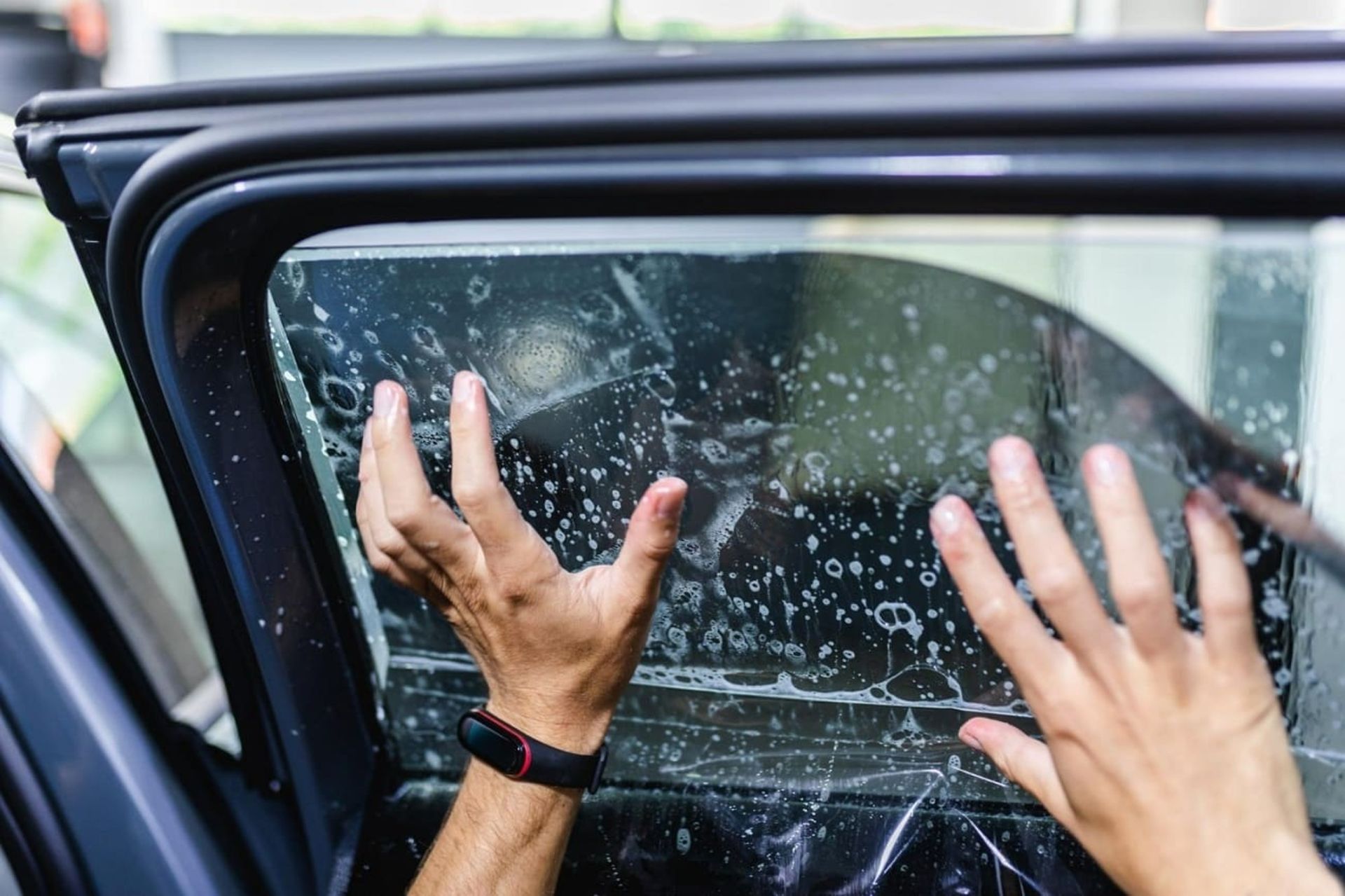
Rear tint rules are where vehicle type matters most. If you drive a sedan, your rear side windows and rear glass typically have a higher minimum VLT (meaning you cannot go as dark). If you drive an SUV or van, Florida generally allows darker rear tint, which is why many SUVs have privacy glass from the factory.
Rear visibility and safety considerations
- Very dark rear tint can reduce night visibility, especially in poorly lit areas or during heavy rain.
- If you frequently drive on Gulf Coast roads at night, consider balancing shade with optical clarity and glare control.
- High quality film and professional installation reduce haze and distortion, which matters for back glass where defroster lines and curvature add complexity.
Compliant planning example for an SUV with factory privacy glass
- Factory privacy glass might already be around the 20% VLT range, sometimes lighter or darker.
- Adding a 20% film on top can push the final result much darker than expected.
- A shop can meter the glass and recommend a film choice that hits the legal window tint Florida target while improving heat rejection.
Medical Exemptions and Documentation Requirements in Florida
Florida provides a pathway for medical exemptions for drivers who need additional sun protection due to qualifying medical conditions. This is commonly searched under phrases like Florida tint laws 2026 medical exemption or legal window tint Florida medical waiver.
What to expect with a medical exemption
- You generally need documentation from a physician and to follow the state’s process for approval.
- You should keep copies of approved documentation in the vehicle in case you are stopped.
- Even with an exemption, a professional installer can help you choose a film that meets your comfort needs without introducing avoidable visibility risks.
If you believe you qualify, handle the exemption paperwork first, then select film after you know what is allowed under your approval. A shop can also help you understand how meter readings work so your final VLT aligns with your exemption documentation.
Penalties, Stops, and Real World Enforcement
Drivers often assume tint enforcement is rare. In practice, it varies by area, driving behavior, and how obvious the tint looks. Sarasota and Gulf Coast drivers also travel across counties, and enforcement patterns can change quickly.
Potential outcomes of illegal tint
- Citations or fix it style requirements: you may be required to remove noncompliant film.
- Time and cost: removal and replacement can cost more than choosing the right film the first time.
- Repeat stops: once a vehicle is known to have illegal tint, it can lead to additional scrutiny.
How to reduce risk while still getting comfort
- Prioritize performance over darkness. Darker is not always cooler.
- Choose a reputable installer that meters windows and explains final VLT.
- Keep documentation for your film and installation, especially if you have an exemption.
How High Performance Ceramic Tint Improves Heat Rejection While Remaining Compliant
Many drivers search for “best
car window tint for Florida heat” and assume they need the darkest shade. In reality,
heat rejection depends more on film technology than on darkness alone. This is where
ceramic film is a major advantage for Sarasota FL window tint shoppers who want compliance plus comfort.
What ceramic tint does well
- Infrared heat rejection: helps reduce the heat you feel on your skin and seats.
- UV protection: helps protect skin and slows interior fading.
- Optical clarity: reduces haze and improves visibility compared to lower grade films.
- Signal friendly: many ceramic films are designed to be less disruptive to electronics than older metalized films.
Why this matters for legal window tint Florida
- You can select a shade near the legal tint percentage Florida allows, like around 30% on the front sides, while still getting meaningful comfort improvements.
- You avoid the compliance risk of pushing VLT too low just to chase heat reduction.
Classy Customs and LLumar FormulaOne window tint Florida drivers trust
At
Classy Customs, we install
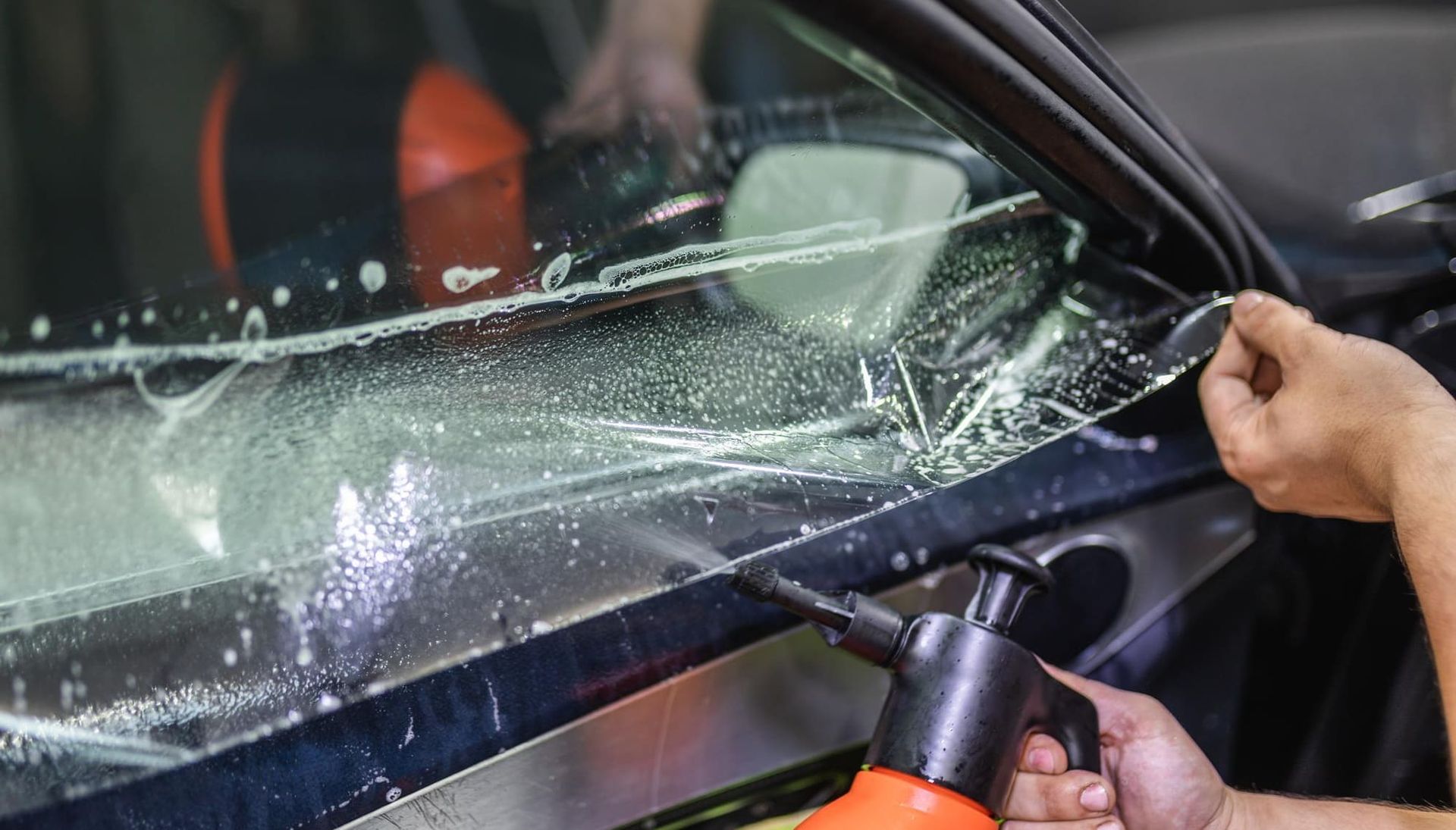
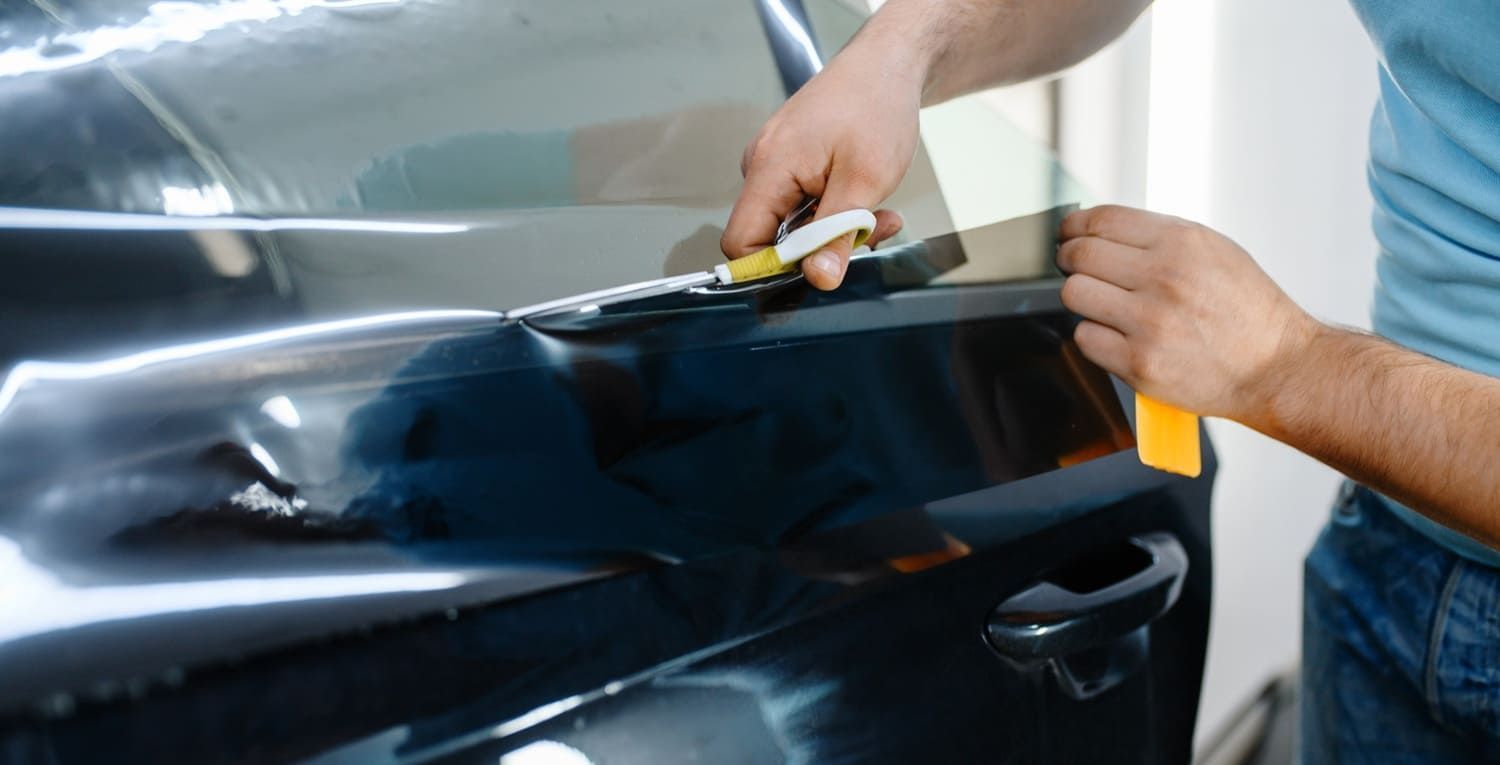
LLumar FormulaOne Auto Window Tint products engineered for strong infrared heat rejection, UV protection, and excellent optical clarity. For Gulf Coast driving, this is a practical way to upgrade comfort while keeping your vehicle aligned with Florida tint laws 2026. If you are unsure what is legal for your exact vehicle and glass, we can help you choose a compliant shade and confirm the expected final VLT range.
FAQ: Florida Tint Laws 2026
How is tint measured during a traffic stop?
Typically with a tint meter that measures VLT through the glass and film together. The number shown is the final VLT.
What is the legal tint percentage Florida allows on front windows?
Front side windows are commonly required to be at least 28% VLT for both cars and SUVs. Confirm for your vehicle type and final meter reading.
Can SUVs have darker rear windows than sedans in Florida?
Yes. SUVs and vans generally have more flexibility on rear side windows and the rear glass compared to sedans.
Is 5% tint legal in Florida?
It can be legal on certain rear windows for SUVs and vans if the final VLT meets the minimum and any other requirements are satisfied. It is generally not legal for sedan front side windows.
Can I tint my windshield below the AS-1 line?
For most standard installs, Florida allows a visor strip above the AS-1 line. Tint below that line may require an exemption and still needs careful review for compliance.
What is the AS-1 line and where do I find it?
It is a manufacturer marking on many windshields. Look near the top edge of the glass for an AS-1 label or a line. If it is not obvious, ask your installer to help identify a compliant strip area.
Does factory privacy glass count as tint?
Yes for measurement purposes. The meter reads the combined VLT. Adding film on privacy glass can make the final VLT much darker than you expect.
Will I fail an inspection because of tint?
Inspection requirements vary by context. Even when formal inspections are not a factor, illegal tint can still lead to citations or removal requirements.
How do I choose a compliant shade that still reduces heat?
Pick a legal VLT target first, then choose a high performance film, such as ceramic, to improve infrared heat rejection. This is often better than choosing a darker shade.
What should Sarasota drivers bring when getting tint installed?
Bring your vehicle details, any medical exemption documentation if applicable, and your goals for comfort, privacy, and night visibility. A professional shop can meter your glass and recommend a compliant solution.
Conclusion and Free Estimate in Sarasota
Florida tint laws 2026 come down to a few practical ideas. Know your vehicle type, understand how VLT is measured, follow windshield AS-1 strip rules, and choose a setup that keeps your final readings compliant. For Sarasota and Gulf Coast drivers, the smartest path is to focus on performance, not just darkness. With high performance ceramic options, you can
improve comfort, reduce glare, and
protect your interior while staying aligned with legal window tint Florida requirements.
Ready to get compliant, high performance tint?
ContactClassy Customs for a
free estimate and
professional installation of
LLumar FormulaOne Auto Window Tint. We will help you select a legal tint percentage Florida allows for your vehicle, confirm expected VLT outcomes, and deliver a clean, high clarity result that balances comfort, performance, and compliance.