How Do I Choose the Best Tint Shade for Night Driving?
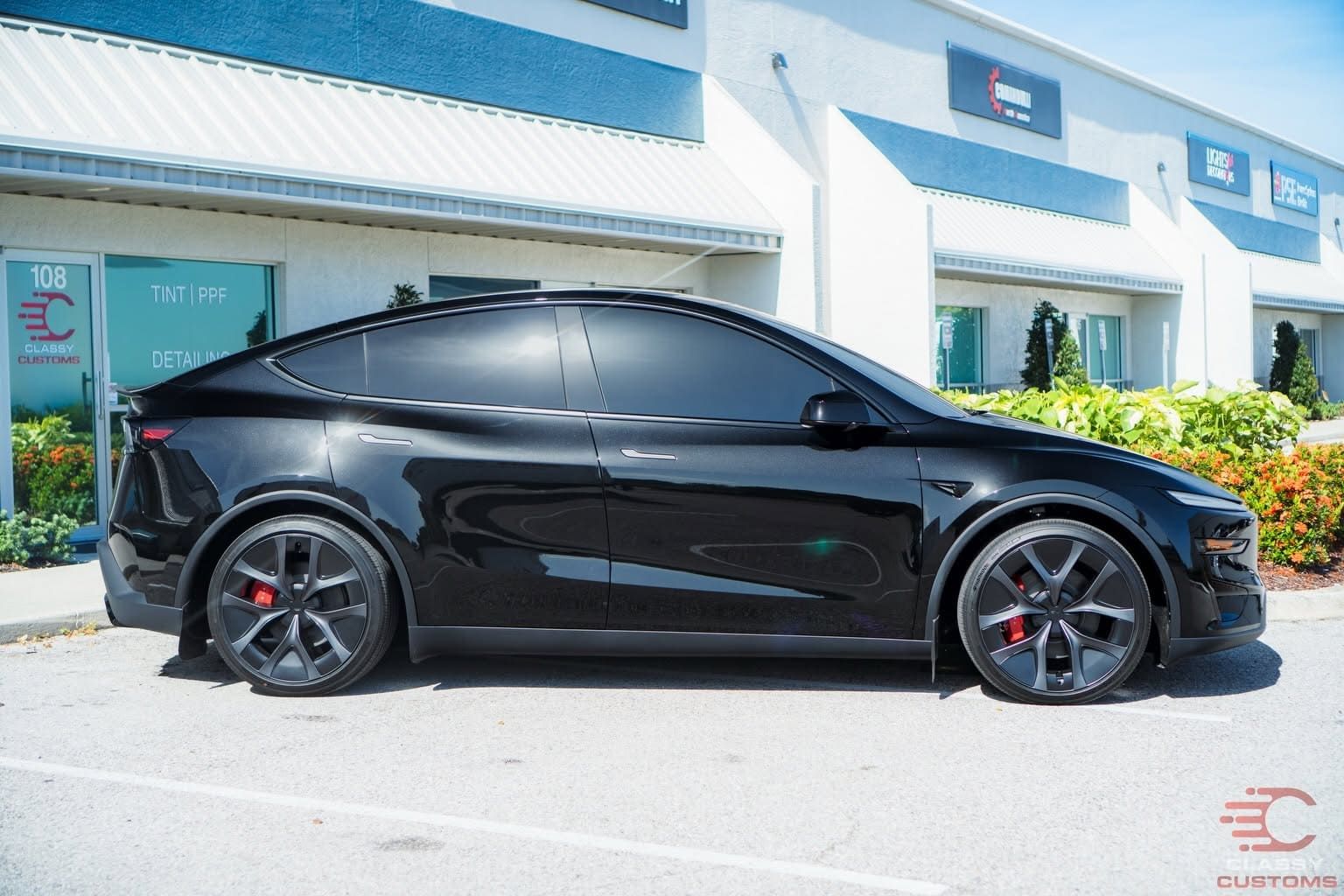
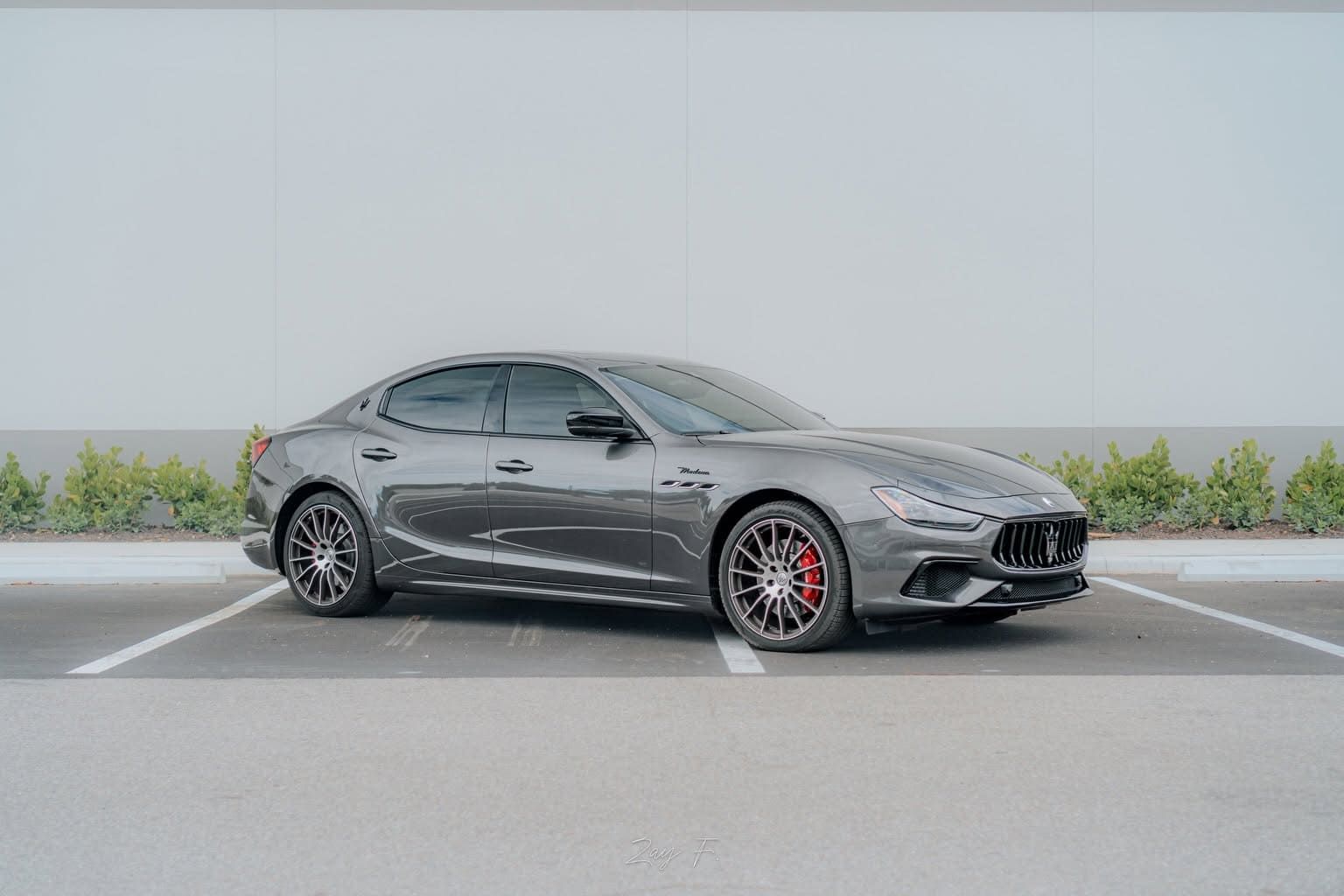
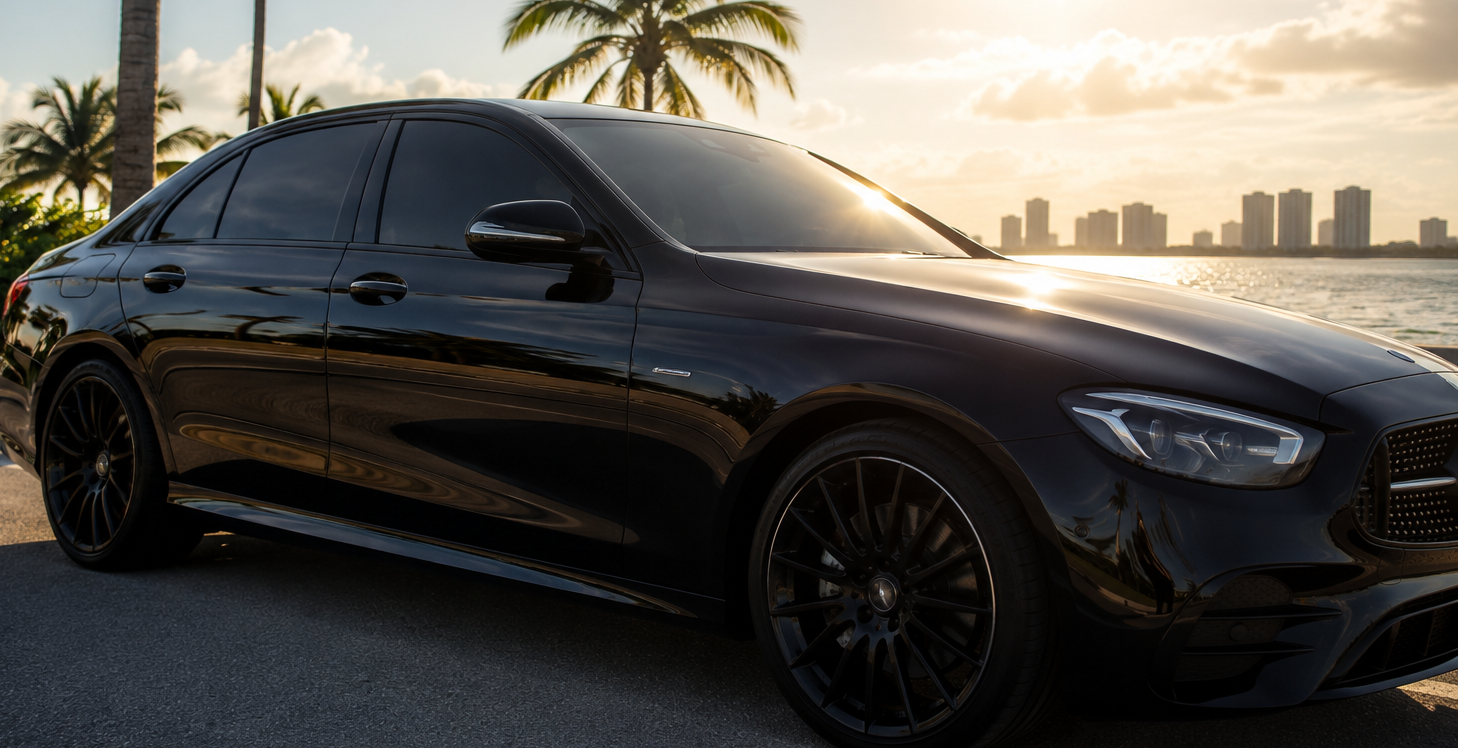
Night driving visibility is one of the most important factors when choosing window tint , especially in Sarasota and along Gulf Coast roads where sudden rain, glare from oncoming headlights, and uneven street lighting can make evening trips feel more demanding than daytime commutes. If the tint is too dark for your eyes, your vehicle, and the roads you drive, you can reduce your ability to spot pedestrians, cyclists, wildlife, and lane markings quickly. That can translate to longer reaction times and more fatigue after sunset. The good news is that modern film technology has changed what is possible. You no longer have to rely on very dark shades to reduce glare and heat. High performance films, including ceramic and nano ceramic options, can cut infrared heat and harsh glare while preserving clarity and contrast for safer nighttime driving. In this guide, we will break down the real world tradeoffs so you can confidently choose the best tint shade for night driving.
Table of Contents
- 1. How VLT levels affect window tint night visibility
- 2. Tint darkness, glare reduction, and eye strain
- 3. Tint percentage comparison for real world driving
- 4. Ceramic and nano ceramic film clarity advantages
- 5. Florida window tint laws and night driving considerations
- 6. Vehicle specific factors that change what feels safe
- 7. Why a professional consultation helps you choose
- FAQ: Best tint shade for night driving
- Conclusion and next steps with Classy Customs
1. How VLT levels affect window tint night visibility
When people ask about the best tint shade for night driving, they are usually asking about one thing without realizing it: visible light transmission , often shortened to VLT . VLT is the percentage of visible light that can pass through the glass and the film together. A higher VLT means more light gets through. A lower VLT means less light gets through, which looks darker from the outside and typically feels darker from the inside.
At night, your eyes depend on contrast and available light. Sarasota has a mix of well lit corridors and darker stretches, especially on routes near neighborhoods, bridges, and areas where lighting is intentionally minimal. If your side windows are too dark, you may still see headlights and bright signage, but you can lose detail in shadows. That is where hazards hide. It is also where you make quick judgments like whether a cyclist is approaching in a bike lane or whether a pedestrian is stepping off the curb.
It helps to think of VLT in terms of your driving tasks. You are not only looking forward. At intersections, roundabouts, and merge points, you are scanning left and right through the front side windows. In parking lots after dinner, you are turning your head and checking for moving cars and people. On I 75 at night, you may be monitoring blind spots through the rear side windows. Every one of those tasks uses side glass. If that glass becomes too dark, the discomfort can show up as hesitation, more head movement, and longer time to confirm that the path is clear.
There is also a difference between what looks acceptable during the day and what feels safe at 9 PM. Many drivers choose a shade based on daytime appearance and privacy. Then they realize that the same shade feels heavy after sunset, especially if they have astigmatism, aging vision, or simply drive on roads with less consistent lighting. That is why window tint night visibility should be part of the decision from the start, not an afterthought.
Key takeaway: If you want the best tint shade for night driving, start with a VLT range that supports your night vision first, then use film technology to achieve daytime comfort. At Classy Customs, Sarasota FL window tint customers often find that slightly lighter shades paired with high performance films deliver the best balance.
2. Tint darkness, glare reduction, and eye strain
Glare is one of the main reasons people tint their vehicles. In Florida, glare comes from more than headlights. It comes from wet pavement reflections, low angle sunsets, and the intense brightness of LED signage. At night, headlight glare is often the biggest complaint, particularly with modern LED and HID systems that can feel harsher than older halogen lights.
It is easy to assume that a darker tint automatically reduces glare more. In reality, glare control depends on several factors: the film’s ability to manage light scatter, the quality of the film, and the contrast your eyes can maintain while driving. A very dark film can reduce the intensity of oncoming headlights, but it can also reduce the overall scene brightness so much that your eyes struggle to resolve details. That can increase eye strain because your visual system is working harder to interpret less information.
Think about the difference between comfort and visibility. Comfort is how relaxed your eyes feel. Visibility is how quickly you can identify objects and motion. If a tint shade makes you feel comfortable when a bright truck approaches, but it also makes it harder to see a pedestrian in dark clothing on the shoulder, then the shade is not optimal for safety. The goal is to reduce harshness without sacrificing clarity.
Another factor is adaptation. Your eyes adapt to ambient light. If your cabin is very dark because of low VLT film, the sudden exposure to bright lights can feel more intense. In some cases, a moderate tint that maintains more ambient light can actually feel smoother because your eyes are not swinging between extremes as aggressively.
For drivers researching window tint night visibility, the best approach is to choose a tint percentage that preserves detail, then upgrade film performance to manage glare and heat. This is where premium lines like LLumar FormulaOne window tint can make a noticeable difference, especially when you want a professional result without pushing tint darkness to the limit.
3. Tint percentage comparison for real world driving
Most tint discussions revolve around percentages like 5, 15, 20, 30, 35, and 50. These numbers are commonly used to describe the film VLT, but what you experience depends on the combination of film and the factory glass. Many vehicles already have lightly tinted glass. When you add film, the final VLT can be lower than you expect.
The table below gives a practical comparison for Sarasota area driving. It is not a substitute for testing on your exact vehicle, but it can help you understand why the “best tint shade for night driving” is often not the darkest shade that looks good in daylight.
Tint shade performance comparison
| Film VLT | Night visibility impact | Glare comfort | Day privacy | Best for |
|---|---|---|---|---|
| 50% | Very high clarity | Moderate improvement | Low to moderate | Drivers prioritizing night safety |
| 35% | High clarity | Strong improvement | Moderate | Balanced day comfort and night visibility |
| 30% | Moderate to high clarity | Strong improvement | Moderate to high | Drivers who want more privacy but still drive at night |
| 20% | Noticeable reduction | High comfort | High | Daytime heavy drivers, limited night driving |
| 15% and below | Significant reduction | Very high comfort | Very high | Style and privacy first, not ideal for frequent night driving |
For many Florida drivers, 35% on front side windows is a popular balance because it can reduce glare without feeling too dark at night. Some drivers prefer 50% on the front side windows if they do a lot of night driving, have sensitive vision, or drive rural roads where lighting is minimal. Rear windows are often tinted darker for privacy since they are less critical for side scanning, although the rear side windows still matter when changing lanes and checking blind spots.
It is also worth noting that a darker tint can make your mirrors feel more important. If your rear glass and rear side glass are very dark, you will rely heavily on side mirrors and backup camera systems. That might be acceptable for some drivers and less comfortable for others. Vehicle setup matters.
4. Ceramic and nano ceramic film clarity advantages
Many drivers in Sarasota want privacy, heat control, and glare reduction, but they do not want to compromise night visibility. This is where ceramic window tint clarity becomes a key concept. Ceramic and nano ceramic films are designed to reject heat, especially infrared energy, without relying on very dark shades. That means you can often choose a lighter VLT and still get strong thermal performance.
In practical terms, this helps in three ways. First, your cabin stays cooler in the day, which is important in Florida where heat load can make drives uncomfortable and can stress your air conditioning system. Second, the film can reduce harsh brightness and glare so you feel less eye strain. Third, because you are not forcing the shade to be extremely dark, your window tint night visibility stays strong.
Premium films also tend to have better optical quality. Low quality films can introduce haze, distortion, or a slightly milky look when you view lights at night. That is especially noticeable around bright headlight points. Better films are engineered to reduce that effect. This is one reason why professional installers often recommend premium lines when the customer’s priority is safe night driving.
Classy Customs installs LLumar FormulaOne window tint options that are designed to reduce glare and heat while maintaining excellent night time visibility. When customers ask for the best tint shade for night driving, the conversation often becomes less about “how dark” and more about “which film technology” fits their goals. A lighter shade in a premium ceramic film can frequently outperform a darker shade in an entry level film for both comfort and clarity.
If you are comparing film types, focus on these practical questions:
- Does the film have strong heat rejection at lighter shades?
- Does it maintain optical clarity at night with headlights and rain?
- Does it reduce glare without making the cabin too dark?
- Is it backed by a quality warranty and installed by trained professionals?
5. Florida window tint laws and night driving considerations
Florida window tint laws matter for two reasons. First, compliance helps you avoid tickets and inspection issues. Second, the legal limits are often a reasonable starting point for night visibility because they prevent extremely dark front window tints that can compromise safety.
Florida’s tint rules can be summarized in everyday terms as limits on how dark your windows can be, measured by VLT. The allowed percentages can differ for passenger cars and multi purpose vehicles such as SUVs. Because laws can change and enforcement can vary, the safest approach is to confirm the current limits before choosing your shade.
From a night driving perspective, treat the legal front window limit as a guardrail. Even if you see darker vehicles on the road, darker does not automatically mean better, especially when your goal is driving comfort and safety after sunset. If you frequently drive at night in Sarasota, Bradenton, Venice, or on I 75, you should prioritize a shade that feels clear in low light and rainy conditions.
Windshield considerations: Many drivers also ask about windshield tint. A full windshield tint that is too dark is not recommended for night driving. However, certain light, high clarity films can reduce heat and glare without making the windshield feel dim. A common option is a top strip. If you are considering a windshield film, it is worth discussing your goals and the legal limits during a professional consultation.
Florida tint limits quick reference (verify locally)
| Window | Passenger car typical limit | Why it matters at night |
|---|---|---|
| Front side windows | Often 28% VLT | Primary side scanning for intersections |
| Rear side windows | Often 15% VLT | Blind spot checks and lane changes |
| Rear window | Often 15% VLT | Depends on mirror and camera reliance |
Important: This table is for educational discussion and should be verified against current Florida statutes and your vehicle classification. Classy Customs can help you select a legal tint option that supports window tint night visibility and your comfort goals.
6. Vehicle specific factors that change what feels safe
The best tint shade for night driving is not identical for every vehicle or every driver. Two drivers can install the same VLT film and have very different experiences. That is because the vehicle itself changes how much light reaches your eyes and how you perceive contrast at night.
Windshield angle and cabin light: A steep windshield angle can reflect dashboard lights more strongly, which can add subtle glare at night. Some vehicles also have brighter infotainment screens and more interior ambient lighting. If your cabin is already bright, a slightly darker side window tint may still feel comfortable. If your cabin is dark and your dashboard reflections are minimal, going too dark can make the outside scene feel even dimmer.
Lighting systems: Modern LED headlights provide strong forward illumination, but they can also create higher contrast zones. If you have excellent headlights and you drive mostly well lit roads, you might tolerate a darker shade. If your headlights are older, misaligned, or simply less bright, a dark tint can make side scanning feel harder. Similarly, if you drive a vehicle with smaller side windows, you are already working with a smaller viewing area. That can make dark tint feel more restrictive.
Driver vision and age: Vision changes over time. Even mild astigmatism can make night driving more challenging, especially when rain and headlight glare combine. Many drivers find that they need a higher VLT on the front side windows to feel confident at night. This is not about preference. It is about comfort and safety.
Driving patterns in Sarasota: If you drive across bridges, through neighborhoods with limited lighting, or on roads where pedestrians and cyclists are common, prioritize clarity. If you mostly drive in daylight and only occasionally drive at night, you may accept a darker shade. Be honest about your routine. The “right” tint is the one you will be comfortable with every night you drive.
7. Why a professional consultation helps you choose
Online charts and tint galleries are helpful, but they cannot account for your vehicle, your eyes, and your local driving conditions. A professional consultation is one of the best ways to choose the safest shade. It also helps you avoid a common regret: selecting a tint based on daytime appearance and later realizing it feels too dark after sunset.
At Classy Customs, the goal is to match your priorities with a legal, high performance solution. That means discussing how much night driving you do, whether you drive in rain frequently, what kind of privacy you want, and what your heat control goals are. It also means explaining the difference between shade and technology. If you want privacy and glare control but you care about window tint night visibility, you may be best served by a moderate VLT paired with a premium ceramic film.
Consultations also help you evaluate the windshield. Many customers in Sarasota are surprised to learn how much heat reduction and glare comfort can come from a high clarity windshield film, even when the side windows are kept at a safe night friendly VLT. Because the windshield is your primary viewing surface at night, any decision there should be conservative and focused on clarity.
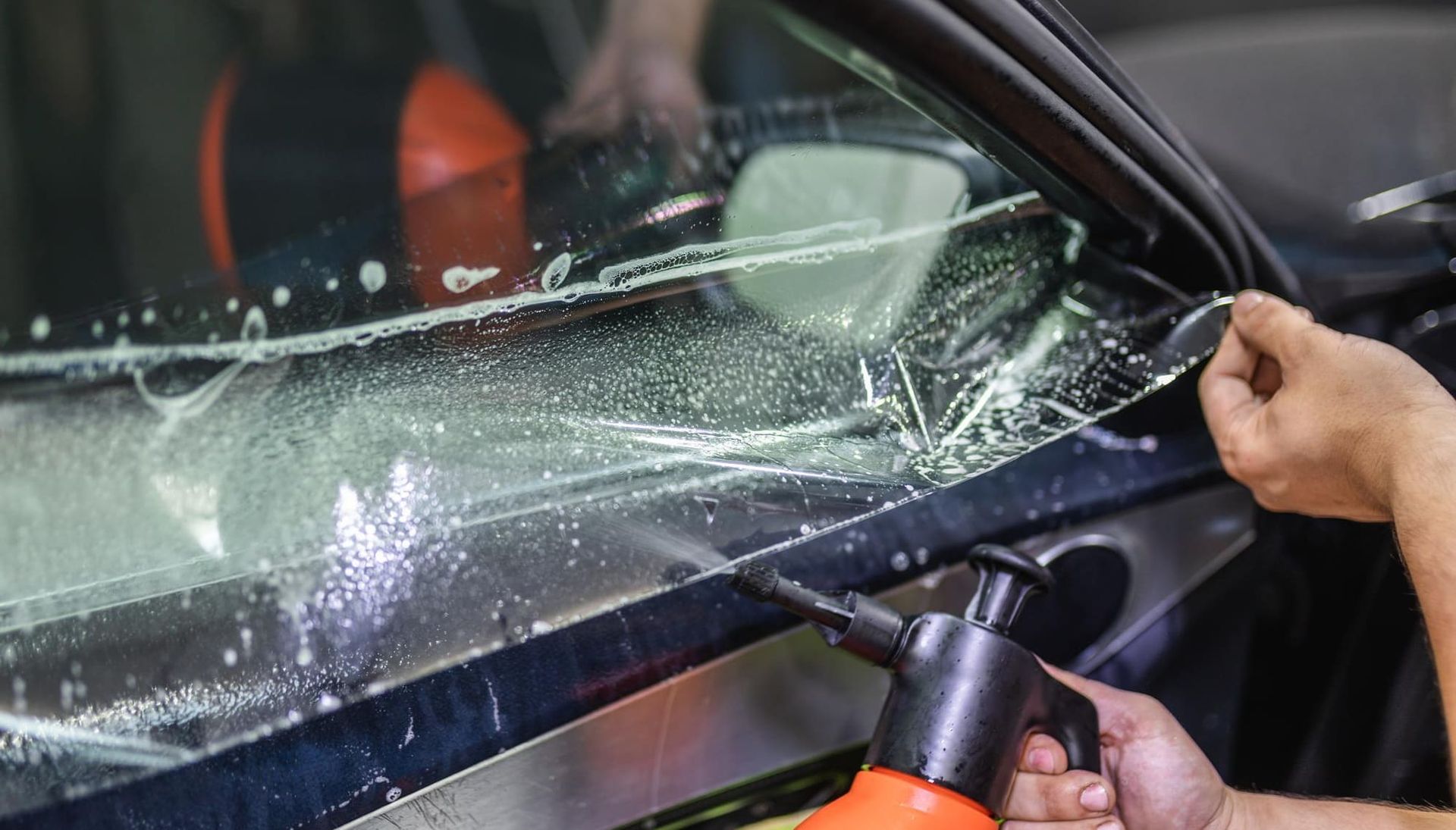
Finally, professional installation matters. A great film can perform poorly if it is installed with contamination, edges that lift, or optical distortion. A clean, precise install supports both appearance and visibility.
FAQ: Best tint shade for night driving
Is darker tint safer at night?
Not usually. Darker tint can reduce headlight intensity, but it can also reduce your ability to see detail in shadows. The safest choice is a shade that preserves visibility and uses film technology for comfort.
What is the best tint shade for night driving?
For many drivers, 35% to 50% on the front side windows is a comfortable range, depending on vision and road lighting. The best choice depends on your vehicle and your night driving frequency.
Does ceramic tint improve night visibility?
Ceramic films can help because you can choose a lighter shade and still get strong heat and glare control. Many drivers feel that premium ceramic films offer better clarity than low quality dyed films.
How does ceramic tint compare to traditional dyed film?
Dyed films often rely on darkness for comfort and may fade over time. Ceramic and nano ceramic films are designed for strong heat rejection and clarity, often at higher VLT shades.
What are the legal tint limits in Florida?
Florida limits are based on VLT and can vary by vehicle type and window location. Verify current Florida law and your vehicle classification before choosing a shade.
Can I tint my windshield for heat control?
Some drivers choose a light, high clarity windshield film or a top strip. Full windshield tint that is too dark is not recommended for night driving and may not be legal.
Will tint reduce headlight glare from oncoming traffic?
Tint can reduce perceived glare, but results depend on film quality and VLT. Premium films can improve comfort without forcing an overly dark shade.
What tint is best for drivers with astigmatism?
Many drivers with astigmatism prefer a higher VLT on front side windows to maintain contrast at night. Pairing that with a ceramic film can help with glare and comfort.
How can I test window tint night visibility before installation?
Ask to see sample films, view them in different lighting, and consider a consultation that focuses on your night driving routes. Testing on your vehicle type is ideal.
Which brand should I consider for clarity and performance?
Choose a reputable brand installed by professionals. Classy Customs installs LLumar FormulaOne Auto Window Tinting products designed for glare and heat control with excellent night time visibility.
Conclusion and next steps with Classy Customs
Choosing the best tint shade for night driving is about finding the safest balance between visibility, glare comfort, and daytime benefits like privacy and heat control. Start by selecting a VLT that feels clear after sunset on the roads you actually drive in Sarasota and the surrounding areas. Then use premium film technology to deliver the comfort you want during the day. With options like LLumar FormulaOne window tint, you can reduce glare and heat while maintaining strong window tint night visibility.
If you want help dialing in the right choice, contact Classy Customs for a professional consultation in Sarasota, FL. We install LLumar FormulaOne Window Tint solutions tailored to your vehicle, your driving habits, and your visibility needs. Reach out today to get a free estimate and choose a tint setup you can feel confident with every time you drive at night.