Does Ceramic Tint Really Block UV Better Than Dyed Tint? A Sarasota Car Owner's Guide
If you've been comparing window tint options for your car, you've probably noticed the price gap between ceramic and dyed film — and wondered whether that difference actually buys you better UV protection, or just a fancier name. It's one of the most common questions car owners in Sarasota ask before booking a tint appointment, and for good reason: Florida's sun isn't something you want to gamble on.
The short answer is that both ceramic and dyed window tint can block a significant percentage of UV rays — often 99% when installed correctly — but that's not the whole story. UV blocking is only one piece of what separates these two film technologies, and if you're driving under the Gulf Coast sun year-round, the differences in heat rejection, clarity, durability, and long-term performance matter just as much as the UV number on the spec sheet.
This guide breaks down exactly how ceramic and dyed tint compare, what "UV protection" really means for your skin and your car's interior, and which option makes the most sense for drivers in Sarasota and the surrounding Gulf Coast region.
Why UV Protection Matters More Than You Think in Sarasota
Sarasota sits in one of the sunniest parts of the country, and if you spend any real time behind the wheel, your left arm, hands, and face are taking on more sun exposure than you realize. Windshields are required by law to filter most UVB rays, but UVA rays — the ones responsible for premature skin aging and a meaningful share of skin cancer risk — pass through untreated auto glass far more easily. That's part of why drivers in the U.S. have a documented pattern of higher skin cancer rates on the side of the body closest to the driver's window.
UV exposure doesn't stop at your skin, either. Those same rays are what fade upholstery, crack dashboards, and dull the finish on leather and vinyl over time. In a place like Sarasota, where cars sit in intense sun for a good chunk of the year, unprotected windows age an interior fast.
This is exactly why window tint isn't just a style upgrade — it's a protective layer for both you and your vehicle. Quality auto window film, whether ceramic or dyed, is engineered to filter out more than 99% of the sun's UV rays, which is why organizations like The Skin Cancer Foundation recommend window tint as part of a broader skin-protection strategy.
How Dyed Window Tint Works
Dyed window tint is the traditional, budget-friendly option most people picture when they think of "tinted windows." It's made by applying a layer of dye between adhesive and protective film layers. That dye layer absorbs incoming sunlight rather than reflecting or scattering it, which darkens the glass and cuts down on glare.
1. UV Blocking Performance
When professionally manufactured and installed, dyed tint can block a very high percentage of UV rays — often in the same 99% range advertised for premium films. The dye layer is genuinely effective at filtering ultraviolet wavelengths, so from a pure "does it block UV" standpoint, a quality dyed film isn't dramatically behind ceramic.
2. Where Dyed Tint Falls Short
The gap shows up in heat rejection and long-term durability, not UV blocking alone. Dyed film absorbs heat rather than reflecting it, so the glass itself can get warm and radiate some of that heat back into the cabin. Over years of sun exposure, dye-based films are also more prone to fading and can shift toward a purplish or brownish tint as the dye breaks down — a common complaint with lower-quality films sold at general auto parts stores.
How Ceramic Window Tint Works
Ceramic tint uses a completely different approach. Instead of dye, it relies on nano-ceramic particles embedded in the film to block heat and UV light without relying on tinted pigment or metal. That construction is what gives ceramic film its reputation as the premium option in the window film world.
1. UV Blocking Performance
Like top-tier dyed films, professionally installed ceramic tint blocks more than 99% of harmful UV rays. So on the UV number alone, the two technologies can look similar on paper. The real distinction is consistency and durability: ceramic particles don't degrade the way dye pigments do, so that UV-blocking performance holds steady for the life of the film instead of slowly declining as the material ages in the sun.
2. Where Ceramic Tint Pulls Ahead
Ceramic film's nanoscopic particle technology is built for infrared-absorbing performance, which means it can reject a significantly higher percentage of solar heat than dyed film — some ceramic formulations reject up to 63% of solar heat, compared to the more moderate heat rejection typical of dyed films. Less heat transfer means a cooler cabin, less strain on your AC system, and better fuel economy or battery range over time. Ceramic film also doesn't contain metal, so it won't interfere with GPS, cell signal, or other electronic devices — something older metallized films were sometimes known to disrupt.
Ceramic vs. Dyed Tint: Side-by-Side Comparison
| Feature | Dyed Window Tint | Ceramic Window Tint |
|---|---|---|
| UV Protection | Up to 99% (quality film) | Up to 99%, with more consistent long-term performance |
| Heat Rejection | Moderate | High — some formulations reject up to 63% of solar heat |
| Signal Interference | None (non-metallic dye) | None (non-metallic ceramic particles) |
| Color Stability | Can fade or purple over time | Color-stable, resists fading |
| Clarity/Glare Reduction | Good | Excellent, with enhanced glare reduction |
| Typical Lifespan | Shorter, especially with lower-grade film | Longer — built to last the life of the vehicle |
| Price Point | More affordable upfront | Higher upfront cost, better long-term value |
| Best For | Budget-conscious drivers, light daily use | Drivers who want maximum heat control, clarity, and durability |
What This Means for Sarasota Drivers Specifically
Anyone driving in Sarasota, Bradenton, Venice, or the surrounding Gulf Coast region deals with a longer, hotter, more intense sun season than most of the country. That changes the math on ceramic versus dyed tint in two important ways.
First, heat rejection stops being a comfort issue and becomes a daily-use issue. When your car sits in a parking lot at midday for hours, the difference between a film that absorbs heat and one engineered to reject it is the difference between climbing into a sauna and climbing into a reasonably cool cabin.
Second, UV exposure is cumulative and relentless here. Florida drivers spend more months per year under intense UV index conditions than drivers in most other states, so a film that holds its UV-blocking performance consistently over a decade of Florida sun — rather than one that may degrade as the dye layer ages — offers more real-world protection over the life of your vehicle.
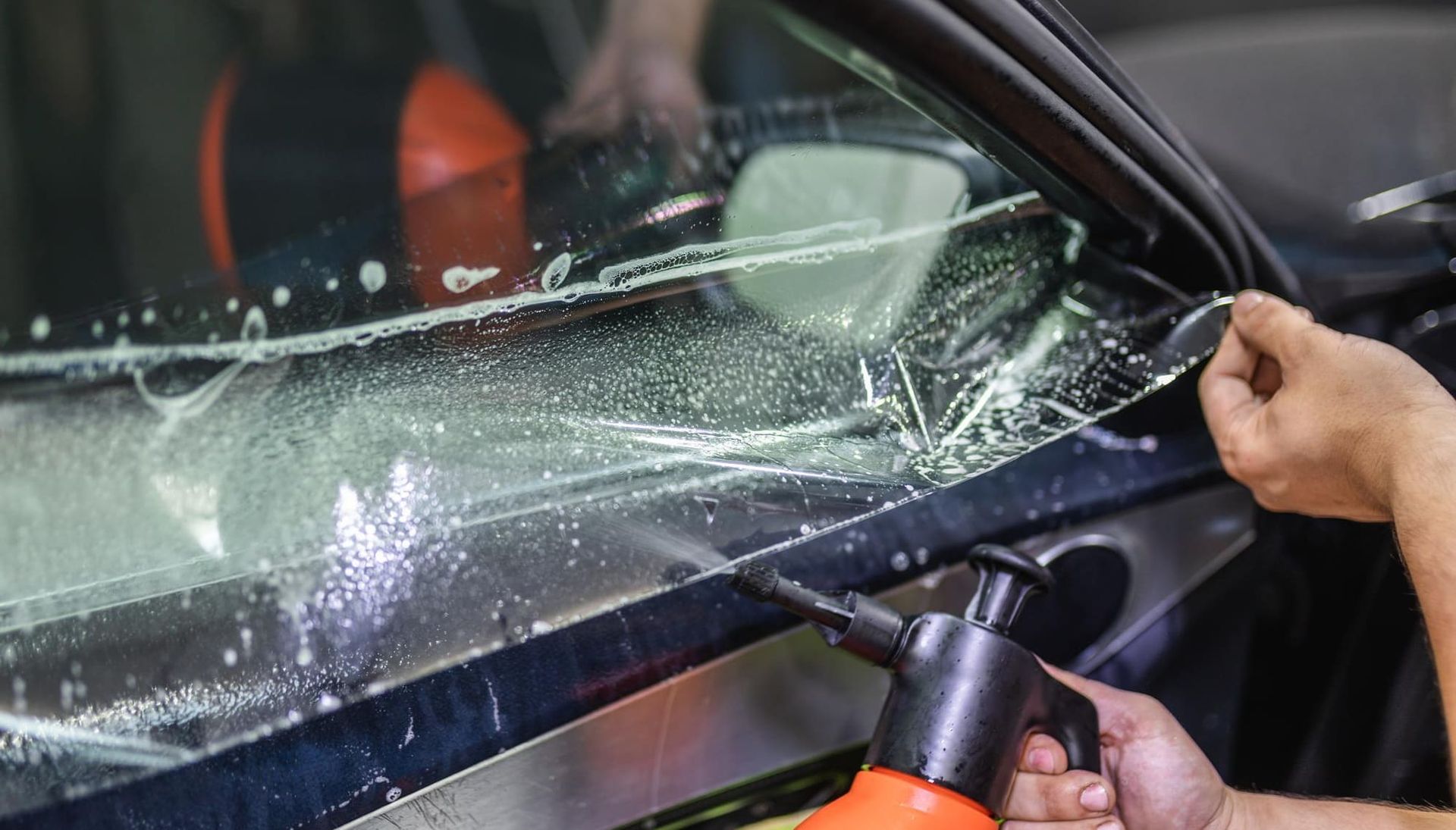
How Window Tint Is Professionally Installed
Whether you choose ceramic or dyed film, proper installation matters just as much as the film itself. Here's what the process typically looks like at a professional shop.
1. Vehicle Assessment and Film Selection
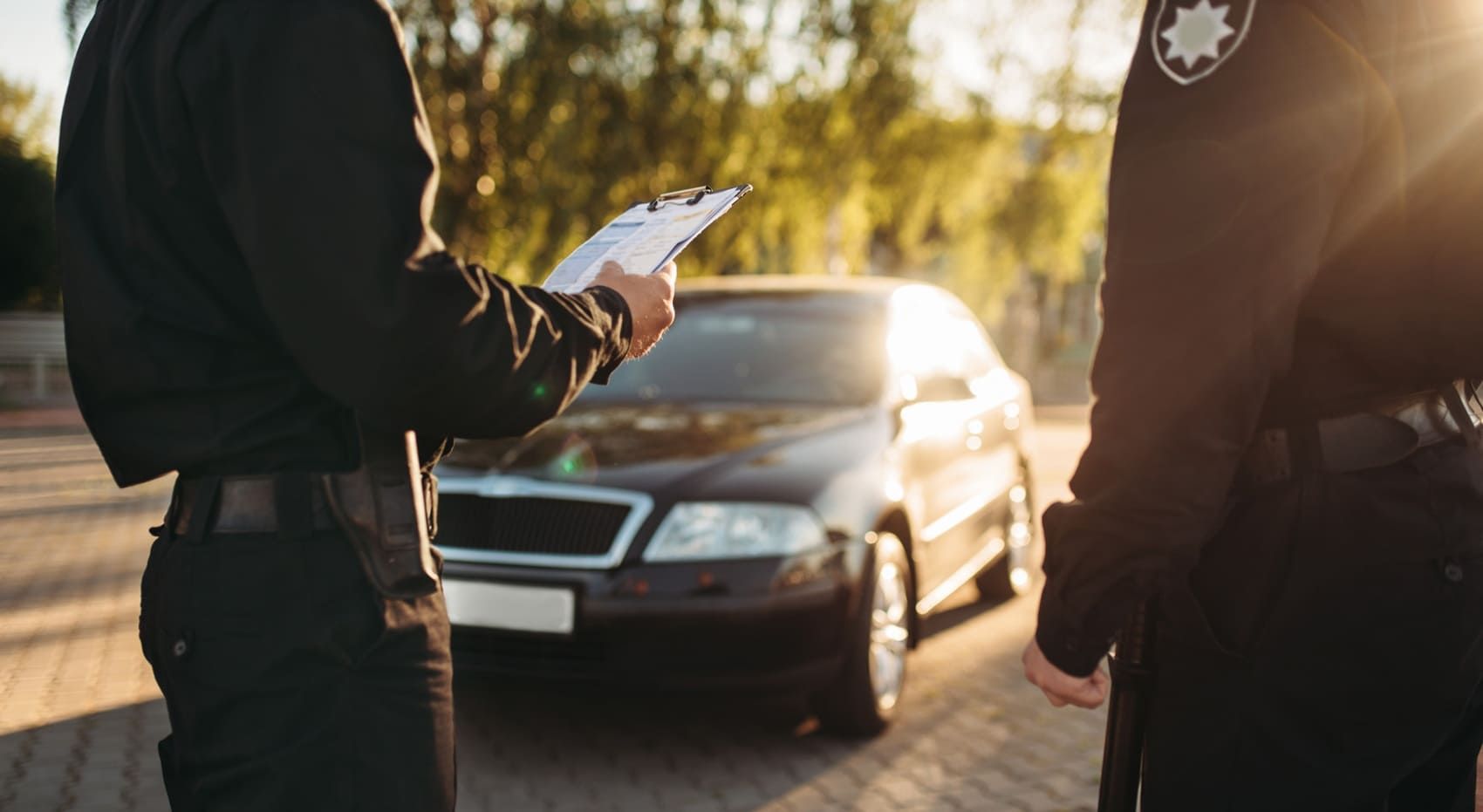
A consultation covers your goals — heat reduction, UV protection, privacy, or a specific look — along with Florida's legal tint limits, so you land on the right film and shade percentage for your vehicle.
2. Glass Preparation
Every window is thoroughly cleaned to remove dust, debris, and residue. Any contamination trapped under the film can cause bubbling or visible imperfections later, so this step is critical to a clean result.
3. Precision Cutting and Application
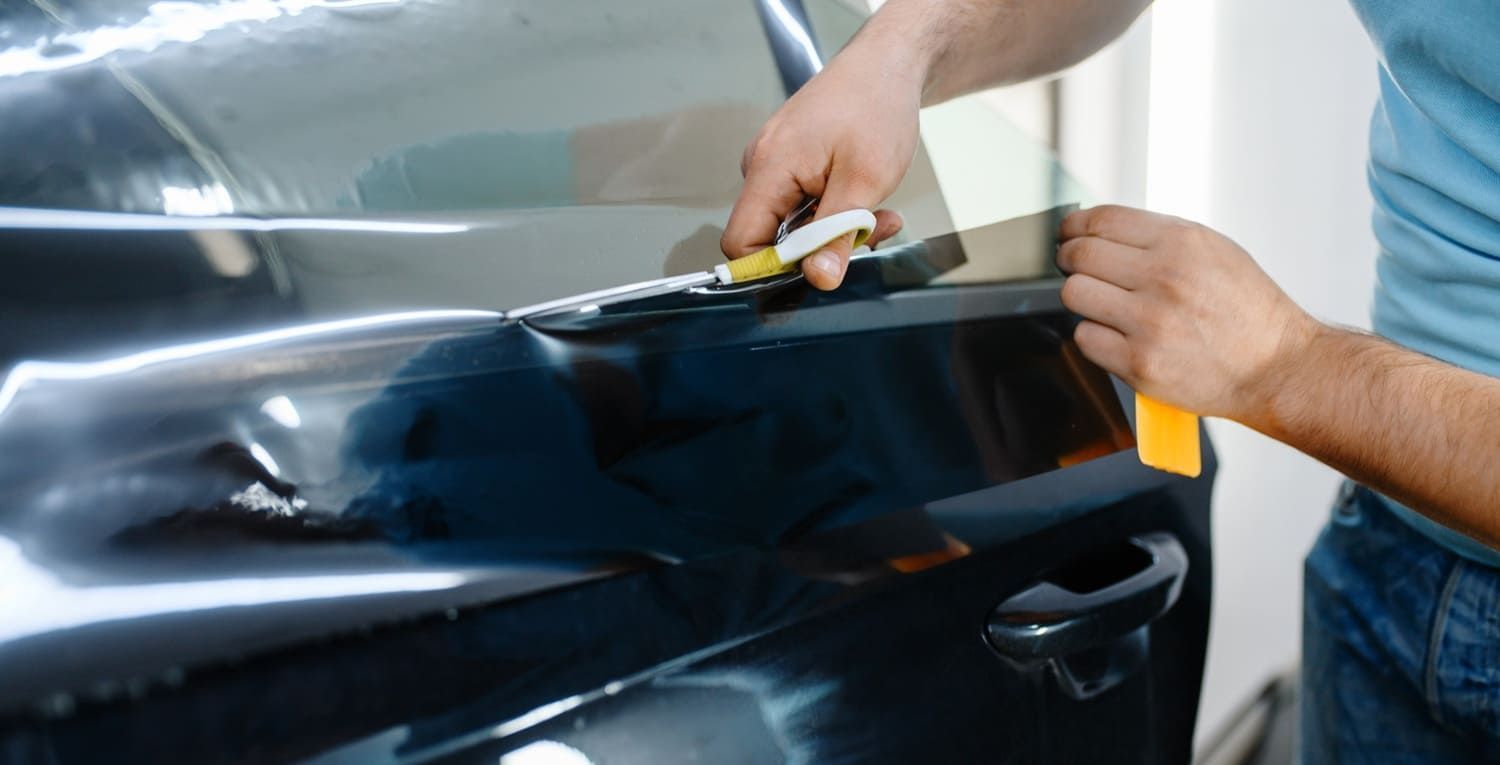
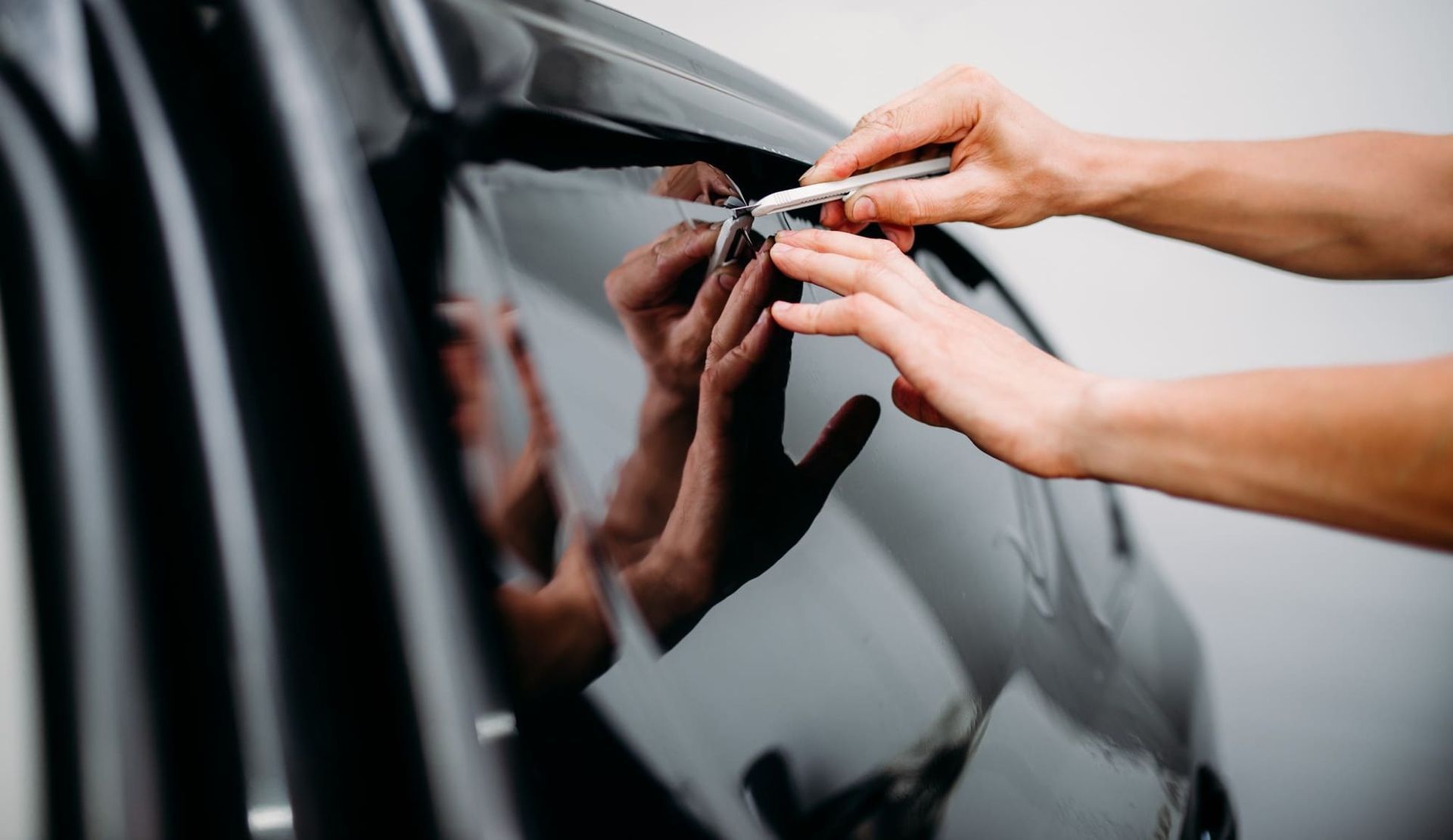
The film is cut to the exact dimensions of each window using computerized patterns or hand-cut templates, then applied to the inside of the glass — not the outside — for maximum durability and protection from the elements.
4. Old Film Removal (When Needed)
If your vehicle already has old, degraded, or bubbling film, that needs to come off first. This adds time to the appointment, and it's worth having it done by a professional, since a car's rear defroster lines can be damaged if old film is removed carelessly.
5. Curing Time
After installation, the film needs several days to fully cure and bond to the glass. It's normal for windows to look slightly hazy or streaky during this period as trapped moisture evaporates — that's not a defect, it's part of the process.
Common Myths About Window Tint UV Protection
A lot of misinformation circulates about window tint, so it's worth clearing up a few points before you make a decision.
Myth: If tint isn't very dark, it doesn't block UV. UV-blocking performance comes from the film's construction, not how dark it looks. Even a nearly clear film can block over 99% of UV rays if it's built with the right technology.
Myth: Factory tinted glass is just as protective as aftermarket film. Factory tint is a pigment baked into the glass itself, and it only blocks a portion of UV rays and a small amount of heat. Aftermarket window film, by contrast, is engineered specifically to reject up to 99% of UV rays and a much larger share of solar heat.
Myth: All ceramic tints are the same. Ceramic technology varies by manufacturer and product line. Not every "ceramic" film on the market delivers the same heat rejection or UV performance, which is why the brand and grade of film matter as much as the ceramic label itself.
Frequently Asked Questions
Does ceramic tint block more UV rays than dyed tint?
Both quality ceramic and quality dyed tint typically block more than 99% of UV rays when professionally installed. The bigger difference is that ceramic film tends to hold that performance more consistently over time, since it doesn't rely on a dye layer that can degrade in the sun.
Is ceramic tint worth the extra cost?
For most Sarasota-area drivers, yes — especially if the vehicle sees regular outdoor parking or long commutes. The higher heat rejection, better clarity, color stability, and longer lifespan of ceramic film generally offset the higher upfront price over the years you own the car.
Will window tint stop my car's interior from fading?
Yes. Since UV rays are the primary driver of fading and cracking in upholstery, dashboards, and trim, blocking 99% of UV exposure significantly slows that deterioration, whether you choose ceramic or dyed film.
Can I put ceramic tint over my car's factory tinted windows?
Yes, as long as the existing tint is factory-applied (a pigment in the glass itself) rather than aftermarket film. Aftermarket film needs to be professionally removed before new tint can be installed.
Does dyed tint really turn purple over time?
Lower-grade dyed films can shift color as the dye breaks down under UV exposure, which is a common complaint with cheaper film sold at general auto parts retailers. Color-stable films from reputable manufacturers are built to resist this.
How long does professional window tint installation take?
A full vehicle typically takes two to four hours. Trucks often take about an hour, and front-doors-only jobs can be done in thirty to forty minutes. If old film needs to be removed first, add two to four additional hours.
Get Ceramic or Dyed Tint Installed by Sarasota's Trusted Auto Film Experts
Choosing between ceramic and dyed window tint ultimately comes down to how you use your vehicle and how much long-term heat rejection, clarity, and durability matter to you — but either option, when professionally installed with quality film, will meaningfully protect you and your car's interior from Florida's UV exposure.
Classy Customs is a
LLumar SelectPro Dealer in
Sarasota, FL, offering the exclusive FormulaOne line of ceramic and dyed
auto window tints, all backed by a lifetime warranty. If you're ready to compare options in person and find the right film for your vehicle and driving habits,
contact Classy Customs at (941) 751-7575 or request a
free estimate to get started.