What's the Best Tint for Florida Heat in 2026?
Florida drivers asking about the best tint for Florida heat usually want a clear answer fast: if your priority is keeping the cabin cooler, reducing glare, and protecting the interior, high quality ceramic window tint is often the strongest all around choice. In Sarasota and across Southwest Florida, heat rejection matters more than simply making the glass look darker. Some films can darken windows without doing much to block the infrared energy that heats seats, dashboards, steering wheels, and cabin air. That means a vehicle may look shaded from the outside while still becoming uncomfortably hot inside. The right film depends on your budget, how often you drive, where the vehicle is parked, and how much performance you expect during long sunny days. For many drivers, nano-ceramic tint delivers the best mix of comfort, clarity, and long term value, but comparing film types carefully is the smartest way to choose.
Table of Contents
- Why Heat Rejection Matters More Than Darkness in Florida
- How Window Tint Blocks Heat: Infrared Rejection Explained
- Ceramic Tint vs. Dyed Tint vs. Metallized Tint for Heat Performance
- Best Tint Options for Florida's Climate and Sun Exposure
- How Tint Darkness (VLT) Affects Heat Reduction and Legal Compliance
- What to Look for When Choosing a High-Performance Tint Film
- How Professional Installation Impacts Heat Rejection Results
- FAQ
Why Heat Rejection Matters More Than Darkness in Florida
The best window tint for hot climate driving is the film that rejects heat effectively, not just the one that looks darkest. In Sarasota, the sun is intense for much of the year, and drivers deal with strong solar exposure even during short errands. A dark looking tint can reduce visible brightness and glare, but that does not always mean it is stopping the heat that builds up in the cabin.
For practical comfort, the more useful measure is how well the film reduces solar energy and infrared heat. This affects how hot the seats feel, how long the air conditioner needs to work, and how comfortable passengers stay during afternoon driving. Heat rejection car tint is especially valuable for commuters, families with children, work trucks, and vehicles parked outside near beaches, offices, schools, or shopping areas.
Why this matters in Sarasota and Southwest Florida
Local conditions make performance more important than appearance. High humidity, year round sun, and long periods of parked exposure can bake a vehicle's interior. Drivers often notice that steering wheels, center consoles, and leather seats become painfully hot. Quality tint helps reduce that heat load while also limiting UV exposure that can fade upholstery and contribute to dashboard aging.
Quick answer for search intent
If your main goal is to keep car cool Florida tint should be selected based on heat rejection technology first and shade second. That is why ceramic window tint heat rejection is a leading topic for drivers researching the best car window tint 2026 options.
How Window Tint Blocks Heat: Infrared Rejection Explained
Window tint blocks heat in several ways, but infrared rejection is one of the biggest factors behind real comfort. Sunlight includes visible light, ultraviolet radiation, and infrared energy. Visible light affects brightness. UV rays are associated with skin exposure and interior fading. Infrared energy is a major source of the heat you feel entering the cabin.
This is where many shoppers get confused. Two films can appear similar in darkness yet perform very differently in heat reduction. One film may mainly darken the glass, while another is engineered to reject a much larger portion of infrared heat. That is why a lighter, more advanced film can sometimes outperform a darker, cheaper one.
Infrared rejection in plain language
Infrared rejection refers to the film's ability to reduce heat carrying energy before it builds up inside the vehicle. The better the film manages infrared energy, the less harsh the cabin can feel after the car sits in direct sun. This does not mean the car never gets hot, but it can make a noticeable difference in comfort and recovery time once the air conditioning is on.
Heat reduction involves more than one metric
Smart buyers also look at total solar energy rejection, UV blocking, clarity, and long term stability. A quality film should help cut glare, protect interior materials, and maintain visibility without turning purple, hazy, or bubbly over time. For Florida drivers, the best tint for Florida heat is usually a combination of strong infrared performance, durable construction, and legal shade selection.
Ceramic Tint vs. Dyed Tint vs. Metallized Tint for Heat Performance
When comparing ceramic tint vs dyed tint or metallized film, the biggest difference is performance over time. Dyed tint is usually the entry level option. It can improve appearance and reduce glare, but it typically offers the least effective heat management of the three. Metallized tint generally performs better than dyed film for solar control, but its metal content can create signal concerns for some drivers. Ceramic tint is widely considered the premium option for drivers focused on comfort, clarity, and high heat rejection.
Side by side comparison of common tint types
| Tint Type | Infrared Heat Rejection | UV Ray Blockage | Signal Interference | Clarity and Optical Quality | Fade Resistance | Durability and Lifespan | Average Cost Per Vehicle |
|---|---|---|---|---|---|---|---|
| Ceramic Tint | High, often the strongest overall heat rejection | Excellent, typically very high UV protection | None or minimal | Very high clarity with premium films | Excellent | Long lasting, strong resistance to fading and bubbling | Highest initial investment |
| Metallized Tint | Moderate to high depending on film quality | Strong | Possible with phone, GPS, or radio signals | Good, but can vary by product | Good | Durable, but performance depends on product and install quality | Mid range |
| Dyed Tint | Low to moderate | Basic to moderate depending on film | No signal issues | Fair to good | Lower long term resistance | Shortest lifespan of the three in harsh sun | Lowest cost |
Ceramic tint
Ceramic film is usually the top recommendation for drivers who prioritize comfort in extreme heat. It is known for strong heat rejection, excellent clarity, and no meaningful signal interference. This makes it a leading choice for daily drivers, luxury vehicles, family vehicles, and anyone spending serious time on the road in Florida.
Metallized tint
Metallized film can offer useful heat reduction and durability, but some vehicle owners avoid it because of potential interference with electronics. For drivers who rely heavily on navigation, streaming, or connected devices, that tradeoff matters.
Dyed tint
Dyed film may fit a limited budget and still improve appearance, but it is usually not the best answer for people specifically searching for the best tint for Florida heat. In many cases, it gives more visual darkness than meaningful thermal performance.
Best Tint Options for Florida's Climate and Sun Exposure
For Florida conditions, ceramic film is often the best overall choice because it balances strong heat rejection, UV protection, clear visibility, and long term durability. That matters in Southwest Florida, where drivers may deal with long highway drives, bright coastal glare, and frequent outdoor parking.
Best option for maximum heat rejection
If your goal is top tier comfort, premium ceramic film is generally the strongest answer. It is especially helpful for darker interior vehicles, large SUVs, trucks, and cars with broad windshield and side glass exposure. Drivers looking for ceramic window tint heat rejection benefits often choose this route because they want noticeable relief during peak afternoon heat.
Best option for balanced performance and budget
Mid tier high performance films can make sense if you want better heat management than basic film without paying for the most advanced package available. This is often a smart fit for drivers who want everyday comfort upgrades while staying cost conscious.
Best option for entry level needs
A budget film may help reduce glare and improve privacy, but drivers should set expectations realistically. If your top priority is a cooler cabin, a low end film usually will not compete with advanced ceramic products.
Formula One series comparison for Florida drivers
| Series | Best For | Heat Protection Goal | Appearance and Clarity | Budget Position |
|---|---|---|---|---|
| Formula One Stratos Series | Drivers wanting premium heat and infrared rejection | Maximum performance focus | High clarity, premium finish | Top tier |
| Formula One Pinnacle Series | Drivers seeking strong comfort and value | High heat control for daily driving | Excellent appearance and visibility | Upper mid to premium |
| Formula One Comfort Series | Drivers wanting a professional upgrade from basic film | Practical improvement in comfort and UV protection | Clean look with dependable performance | More budget friendly |
For Sarasota vehicle owners comparing product tiers, Formula One gives a useful way to match performance to budget. As a LLumar SelectPro Dealer, Classy Customs can help drivers compare these options based on daily driving habits, sun exposure, and comfort goals rather than choosing solely by darkness.
How Tint Darkness (VLT) Affects Heat Reduction and Legal Compliance
Visible light transmission, or VLT, describes how much visible light passes through the film and glass. Lower VLT numbers mean darker tint. Many drivers assume darker automatically equals cooler, but that is only partly true. Darkness affects brightness and privacy more directly than it affects advanced heat rejection performance.
In real world terms, a premium lighter ceramic film can outperform a darker lower grade film in heat control. That is why choosing legal, high quality film often works better than chasing the darkest look possible.
Why legal compliance matters
Florida drivers should always choose a legal shade appropriate for the vehicle and window location. Staying street legal helps avoid unwanted enforcement issues and ensures the vehicle remains practical for daytime and nighttime driving. A professional installer can explain legal options and recommend a VLT that balances comfort, visibility, and appearance.
What VLT makes sense for heat reduction
For many vehicle owners, the sweet spot is a legal film that delivers strong infrared and solar performance without sacrificing clarity. This often means selecting film technology first, then choosing a legal VLT that matches your style and driving needs. The best car window tint 2026 shoppers are increasingly learning that performance film matters more than simply going darker.
What to Look for When Choosing a High-Performance Tint Film
If you want the best tint for Florida heat, focus on quality indicators that affect long term value. The right film should not only perform well when new, but also hold up through years of sun, heat, humidity, and daily use.
1. Strong heat rejection technology
Look for a film line known for high infrared and solar heat control. This is the most important factor for drivers who want measurable comfort improvement.
2. High UV protection
UV protection helps reduce fading on seats, trim, and dashboards. It also supports a more protective driving environment for occupants who spend significant time behind the wheel.
3. Clear optical quality
A quality film should look clean from both inside and outside the vehicle. Haze, distortion, and poor nighttime visibility can ruin the experience even if the film is dark.
4. Long term durability
Florida heat is hard on low quality film. Better products resist discoloration, bubbling, peeling, and fading. That can make a premium film more cost effective over the life of the vehicle.
5. Warranty support and brand reputation
Established film brands and professional installers usually provide better consistency, better product knowledge, and better accountability. Formula One High Performance Auto Window Tint is often considered by drivers who want a premium solution installed by a trained professional with long term confidence in the product.
How Professional Installation Impacts Heat Rejection Results
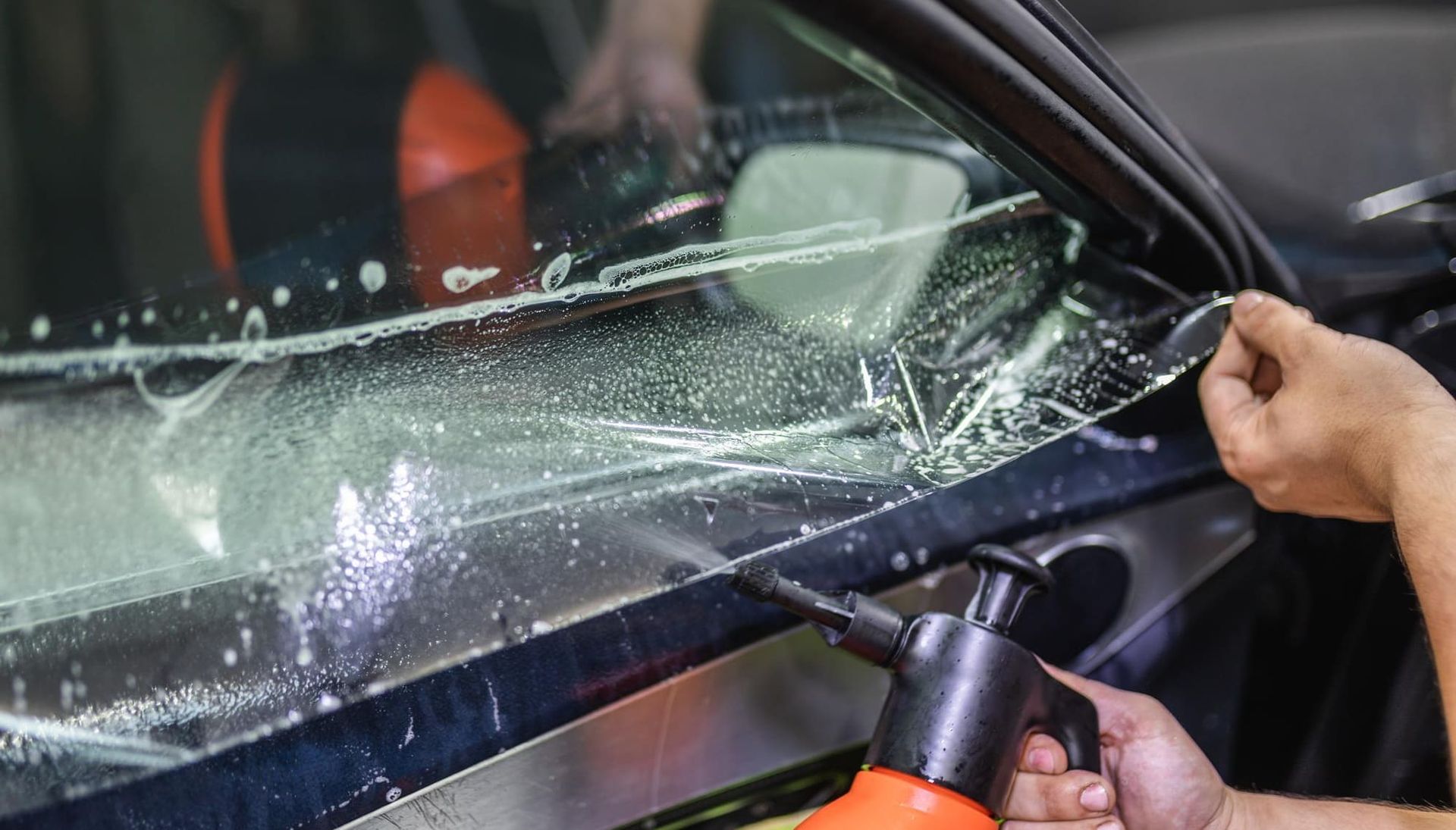
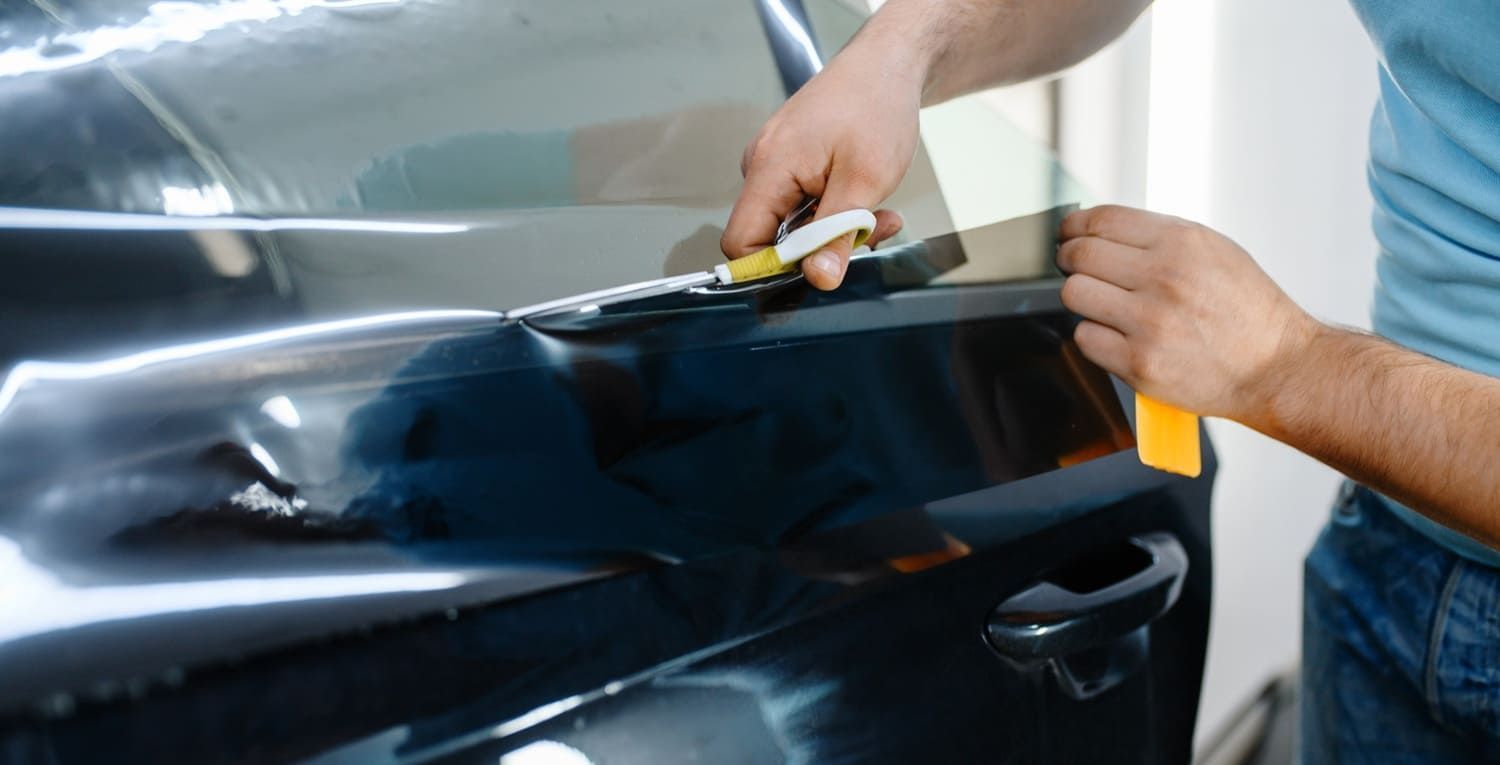
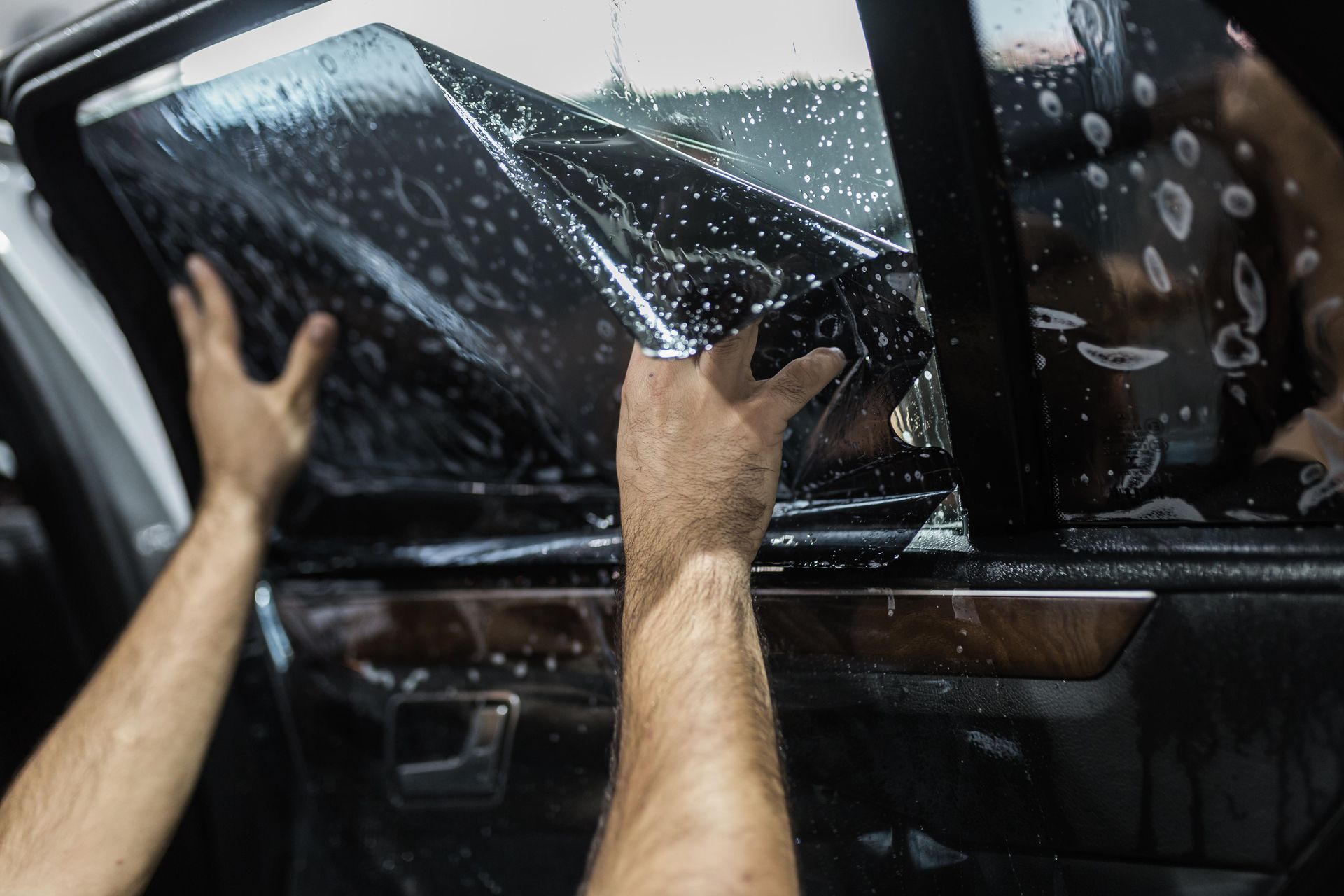
Even the best film can disappoint if installation quality is poor. Professional installation affects appearance, durability, and real world performance. Clean edges, correct shrinking, proper glass preparation, and accurate film handling all matter.
Why installation quality changes results
A poor install can lead to contamination, lifting edges, visible defects, or premature failure. If the film does not sit correctly on the glass, the vehicle owner may not get the long term performance expected from the product. Professional shops also help ensure the selected film is appropriate for legal compliance and the specific vehicle.
Why local experience matters in Sarasota
Local installers understand how Florida heat, humidity, and sun exposure affect tint performance. They can help drivers choose a film package based on whether the vehicle is a commuter sedan, family SUV, work truck, or weekend car. That kind of guidance is valuable for people comparing Sarasota window tinting options and trying to separate appearance based marketing from real heat rejection results.
For drivers who want premium comfort and long term value, working with a professional shop that installs Formula One and LLumar products can be a smart move. Classy Customs positions this as a practical performance upgrade, not just a cosmetic add on, for drivers who want noticeably cooler and more comfortable rides backed by professional installation and a lifetime warranty.
FAQ
What type of window tint blocks the most heat?
In most cases, premium ceramic tint blocks the most heat compared with basic dyed or standard metallized film. It is usually the top choice for drivers prioritizing comfort in Florida.
Does darker tint always mean better heat rejection?
No. Darker tint mainly reduces visible light. A lighter premium ceramic film can reject more heat than a darker lower quality film.
How much heat can ceramic tint actually block?
The exact result depends on the product and shade, but high performance ceramic film is designed to reject a significant portion of heat carrying infrared energy and usually performs better than entry level films.
Is ceramic tint worth the extra cost in Florida?
For many drivers, yes. Florida's climate makes comfort, UV protection, and long term durability especially important, so the extra cost can translate into better value over time.
Can window tint reduce interior fading and dashboard cracking?
Quality film can help reduce UV exposure, which supports better protection for upholstery, trim, and dashboards over time.
Does tint interfere with phone or GPS signal?
Ceramic tint is generally preferred when signal interference is a concern because it does not rely on metal content the way some films do.
How long does high-performance tint last in Florida heat?
High quality professionally installed film can last for many years, especially when backed by a strong warranty and proper installation practices.
What VLT percentage is best for both legality and heat reduction?
The best choice is usually a legal VLT paired with advanced film technology. A professional installer can recommend an option that balances visibility, style, and heat control.
Will window tint lower my car's interior temperature noticeably?
Good tint can make a noticeable difference in comfort by reducing incoming heat and slowing how quickly the cabin feels overwhelmed by direct sun.
How do I know if my tint installer is using quality film?
Ask about the film brand, product line, warranty, and performance goals. Reputable shops should clearly explain the differences between film options and why they recommend a specific solution.
Conclusion
So, what is the best tint for Florida heat in 2026? For most drivers in Sarasota and across Southwest Florida, the best answer is a high performance ceramic film installed by a qualified professional. Dyed tint may improve appearance, and metallized tint may offer a middle ground, but ceramic film typically delivers the strongest mix of heat rejection, UV protection, clarity, and long term value. Just as important, the right tint should be selected based on film technology, legal shade, and the way you actually use your vehicle.
If you want better comfort on hot days, less glare, and more protection for your vehicle's interior, Classy Customs can help you compare Formula One and LLumar tint options and choose the right fit for your goals and budget. Contact Classy Customs in Sarasota, FL for a free estimate and professional installation that is built for Florida heat.